AI for Small Business: Use Cases, Costs, ROI & Implementation Guide
AI drives real ROI by permanently killing off redundant work that shouldn’t exist in your business. From support to sales, we automate ordinary bottlenecks so you only invest in development that scales your margins.
- AI Development
June 16, 2026
 AI Overview
AI has become the business equivalent of a gym membership: everyone says they need it, but few can explain what they're actually trying to achieve. Meanwhile, some companies cut operational costs, respond to customers faster, and scale without growing headcount. Others end up paying for tools nobody uses six months later. The gap rarely comes down to technology. It comes down to knowing where automation creates real leverage—and where it simply adds another layer of complexity.

If you’ve spent any time on LinkedIn lately, you’ve probably seen two types of AI stories. One claims AI will transform every business overnight. The other insists it’s mostly hype. The truth, as usual, lies somewhere in the middle. Many companies already rely on modern IT services for small business to streamline operations, and AI is becoming the next logical step in that evolution.
How can AI help businesses? For small businesses, AI is simply a tool—and its value depends on how it’s used. The companies seeing the strongest results are reducing repetitive work, improving customer response times, automating manual processes, and making better decisions with less effort.
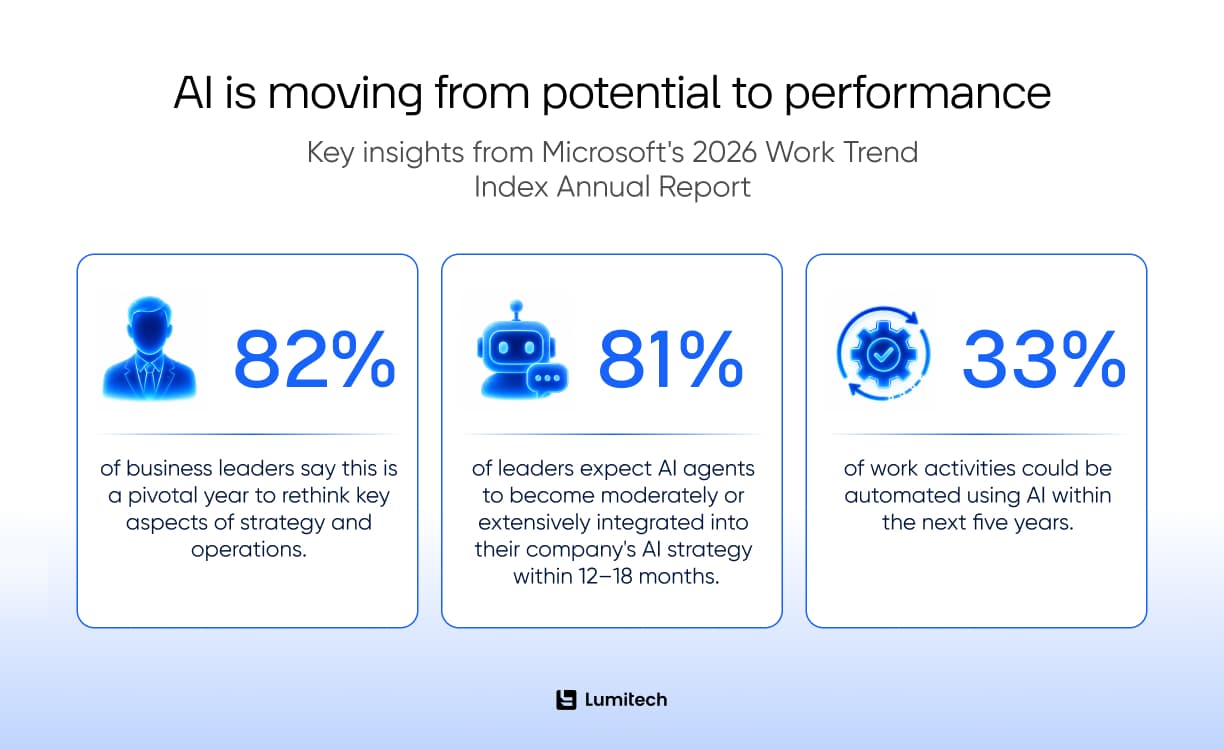
The timing isn’t accidental. Small businesses face rising customer expectations, growing competition, and increasing pressure to do more with limited resources. At the same time, Microsoft’s 2026 Work Trend Index found that 82% of business leaders consider this a critical year to rethink strategy and operations, while 81% expect AI agents to become an integral part of their business over the next 12 to 18 months. AI is rapidly shifting from an experimental technology to a practical tool for improving efficiency, reducing manual work, and supporting growth.
This guide explores where AI for small business creates real value, what to automate first, when ready-made tools are enough, when custom AI development makes business sense, and how to incorporate AI into your business.
Why Small Businesses Are Paying Attention to AI Now
For many years, AI was strictly an enterprise game, used by corporations with big budgets and dedicated tech teams. Today, that gap has vanished. A ten-person company can now deploy an entire automated back office using the same powerful tools that were out of reach just a few years ago. Many of the tools driving this shift were originally built by leading SaaS development companies, making advanced automation accessible to smaller organizations.
But accessibility to the technology is only part of the puzzle. Growing a business has actually become more expensive. As you add clients, your overhead skyrockets, customer expectations for instant service intensify, and manual admin work quickly multiplies. Without automation, growth just brings more operational chaos.
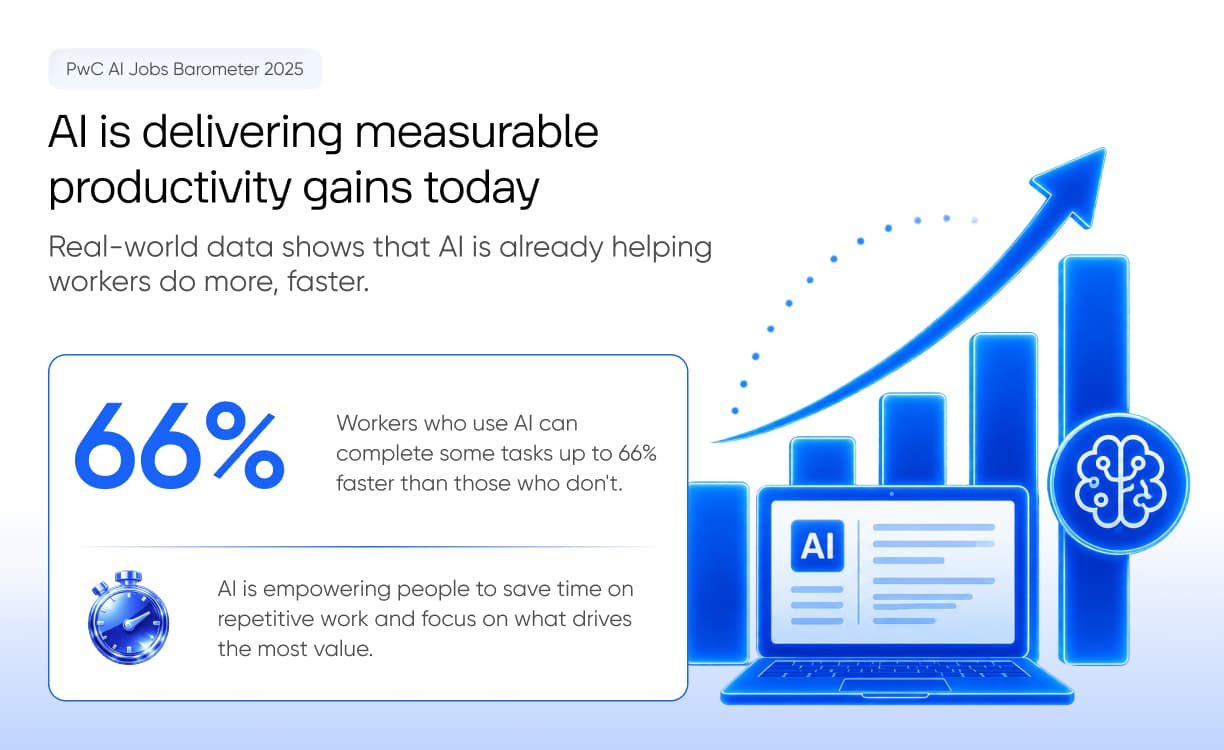
That’s why the adoption of AI for small businesses is accelerating. Rising labor costs, growing customer expectations, and increasing competition are forcing companies to look for new ways to improve efficiency. The potential gains are difficult to ignore. According to PwC’s AI Jobs Barometer, workers using AI can complete some tasks up to 66% faster, giving businesses an opportunity to increase productivity without expanding headcount at the same pace.
How AI for Small Business Creates Real Value
One of the biggest misconceptions about AI is that its value comes from the technology itself.
In reality, business value comes from what the technology enables. Few business owners care whether a solution uses machine learning, natural language processing, or generative AI. What matters is whether it saves time, reduces costs, improves customer experiences, or increases revenue.
That’s why conversations about AI should start with outcomes rather than features.
Faster Customer Service Without Growing Support Teams
Customer support is one of the clearest examples of AI’s business value.
A growing e-commerce company may receive hundreds of customer inquiries every week, many of them asking the same questions about orders, returns, shipping, or product availability. Hiring additional support agents can solve the problem, but it also increases operational costs.
An AI-powered support workflow can handle routine requests instantly while routing more complex issues to human agents. Customers get faster answers, employees spend less time answering the same questions, and support teams can focus on cases where their involvement yields better results.
Workflow Automation That Eliminates Manual Work
The same principle applies to internal operations.
Many businesses still rely on employees to manually transfer information between systems. A sales representative updates the CRM, an operations manager transfers data into a spreadsheet, and a finance specialist enters information into accounting software. Individually, these tasks may take only a few minutes. Collectively, they can consume hundreds of hours every month.
This is where AI-powered workflow automation often delivers stronger ROI than most businesses expect.
According to McKinsey’s State of AI research, organizations continue to see significant value from AI in customer operations, marketing, sales, and software-related functions—areas where repetitive tasks and large volumes of information create strong opportunities for automation.
AI Solutions for Business: Better Decisions Through Better Insights
Another area where AI for small business creates substantial value is AI decision-making.
Most businesses already collect enormous amounts of information. The challenge isn’t gathering data—it’s turning that data into useful insights. Managers frequently spend hours building reports, comparing spreadsheets, and manually identifying patterns.
AI-powered analytics can speed up this process. It helps highlight trends, identify anomalies, and surface opportunities that might go unnoticed. In this case, the goal is to improve human judgment.
This approach is connected to decision intelligence, where technology helps businesses combine data, analytics, and human expertise to make better choices.
By supporting AI decision-making, businesses can respond more quickly to changing market conditions and act with greater confidence.
The companies generating the strongest results from using AI for business are removing low-value work so people can focus on activities that require creativity, expertise, and strategic thinking.
Customer Stories
Explore What We've Built
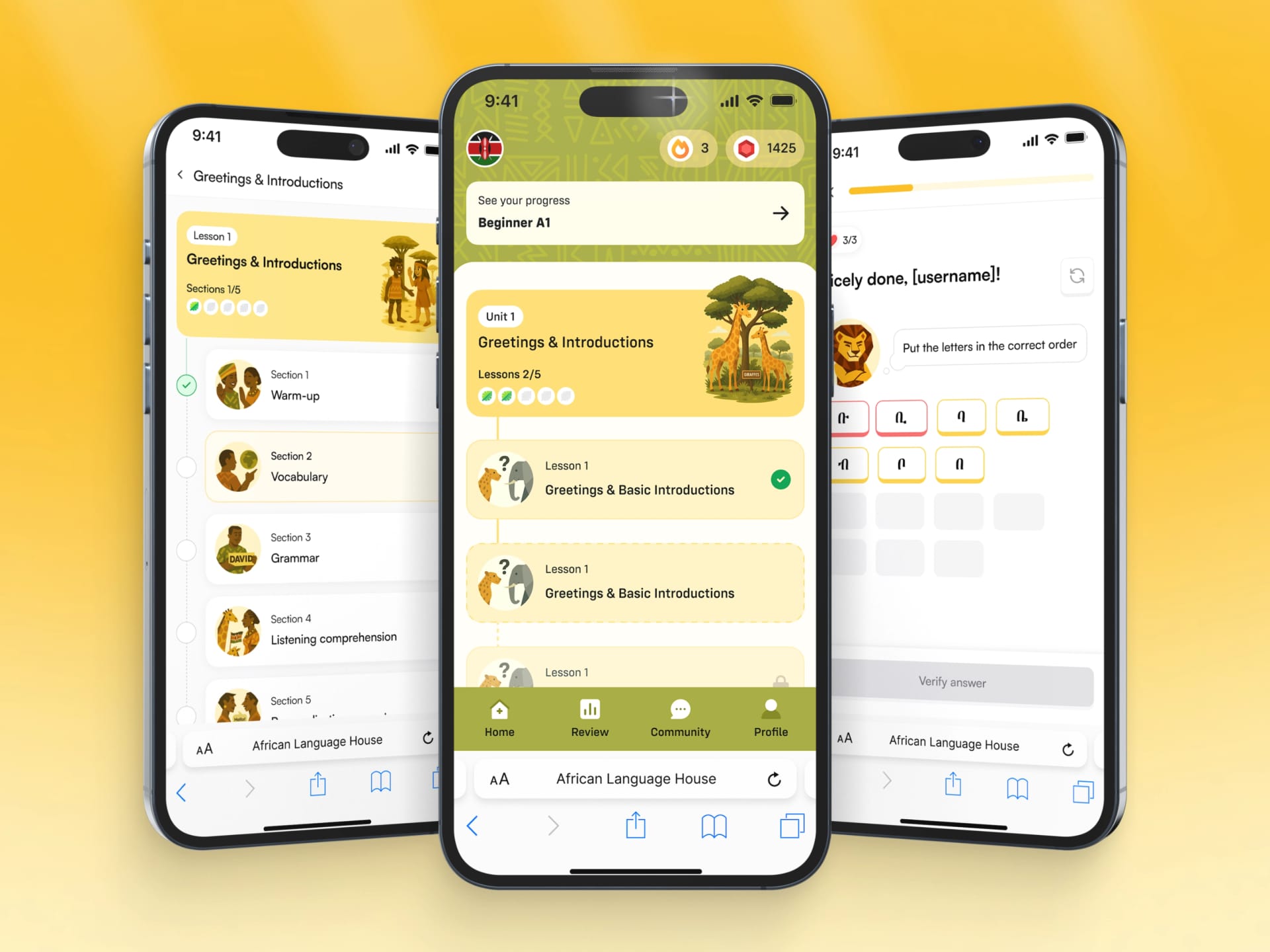
Reviving Roots: How We Built an AI-Powered African Language Learning Platform
Lumitech built an AI-powered language learning platform with speech feedback, adaptive lessons, gamification, and analytics for users in the African diaspora.

New Jersey
Aug '25 — Now
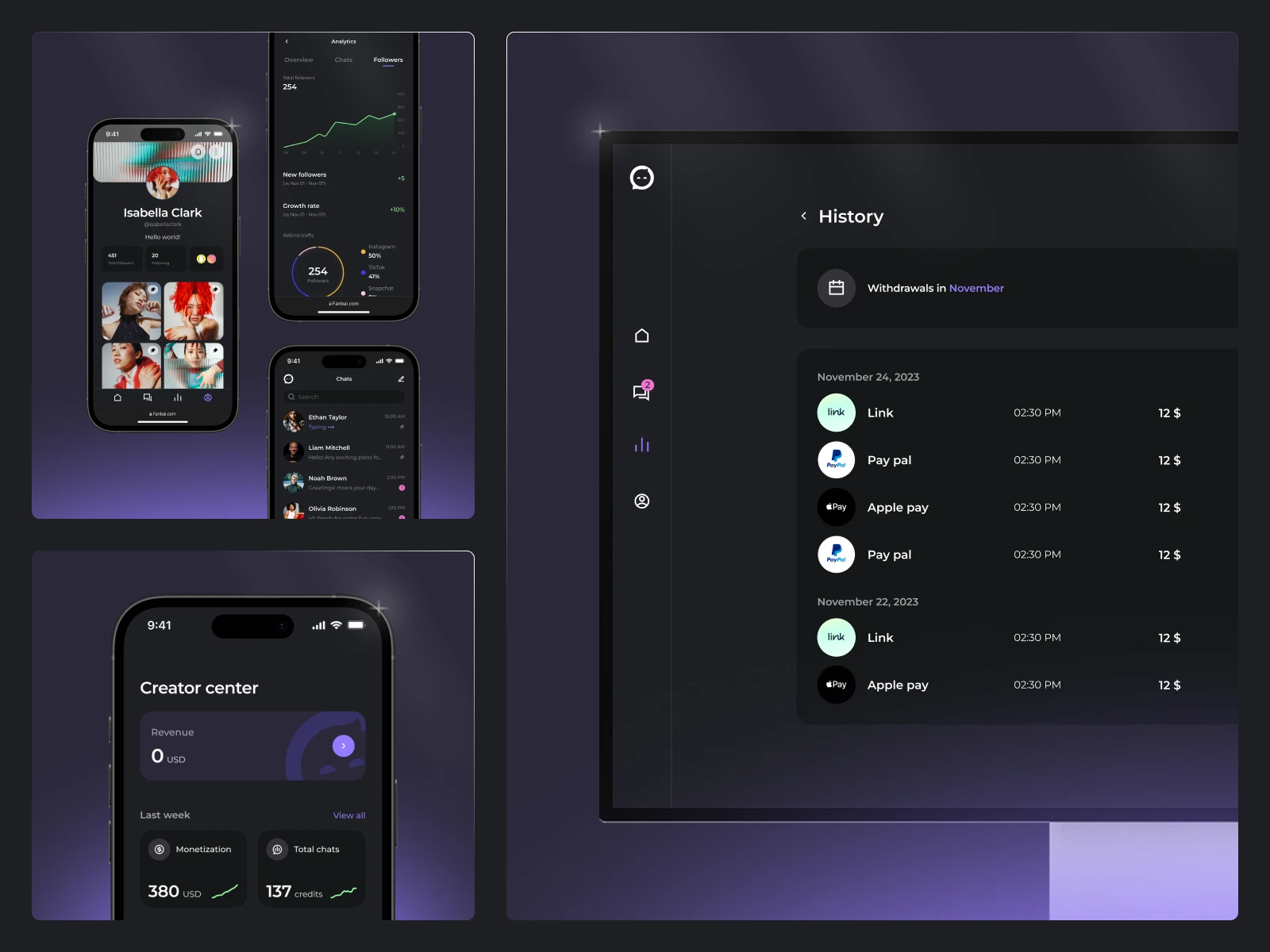
AI-Based MVP for Real-Time Fan Engagement for Creators
We developed an AI-powered platform that enables creators to engage with their fans in real time through interactive content, live Q&As, personalized responses, and intelligent automation.

London
Jul '24 — Feb '25
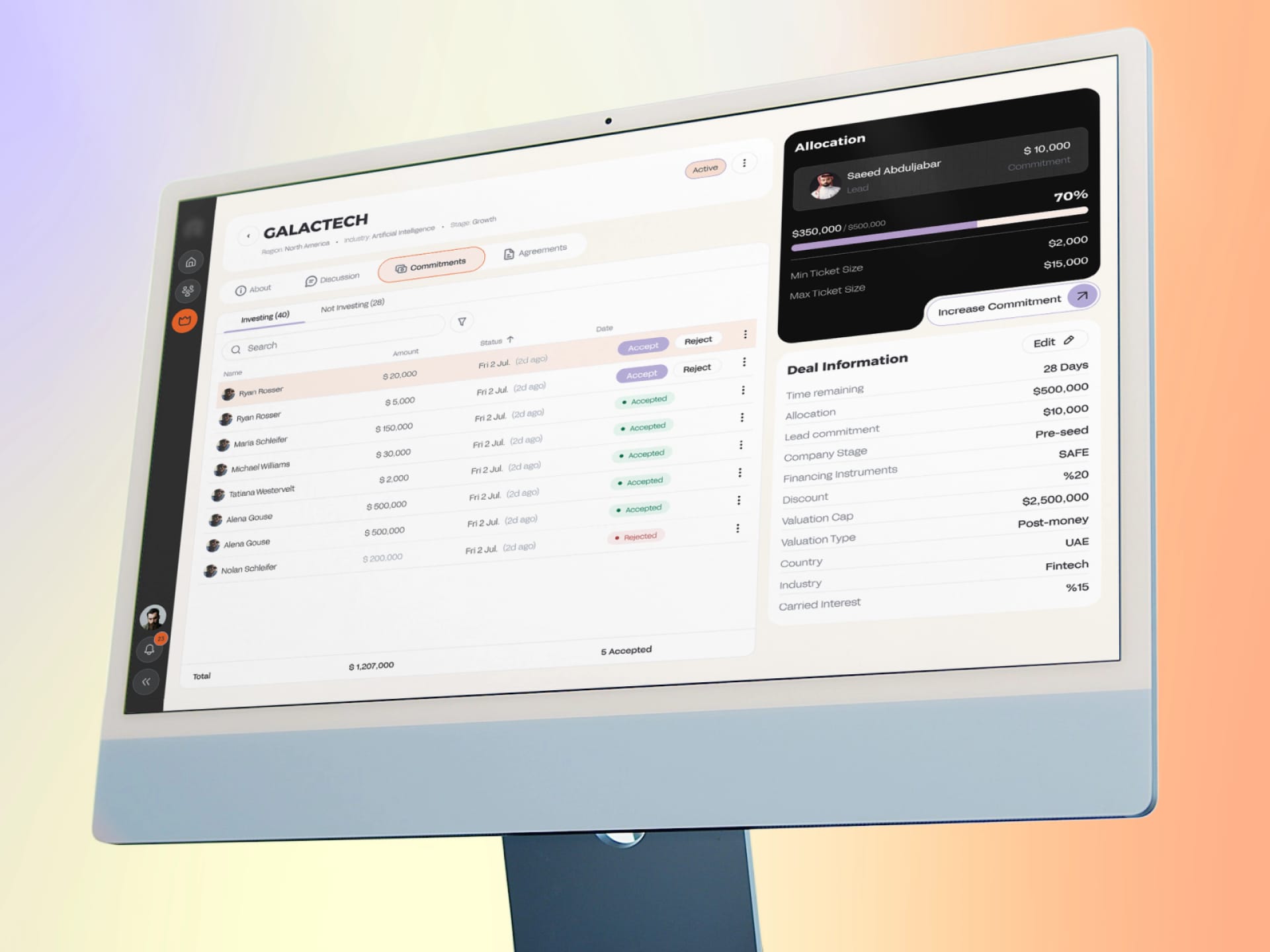
Angel Syndicate Investment Platform for a Saudi Family Office
Turning a fragmented angel investment workflow into a private, generative AI‑powered operating system for syndicates, family offices, and co‑investors.

Jeddah
May '25 - Nov '25
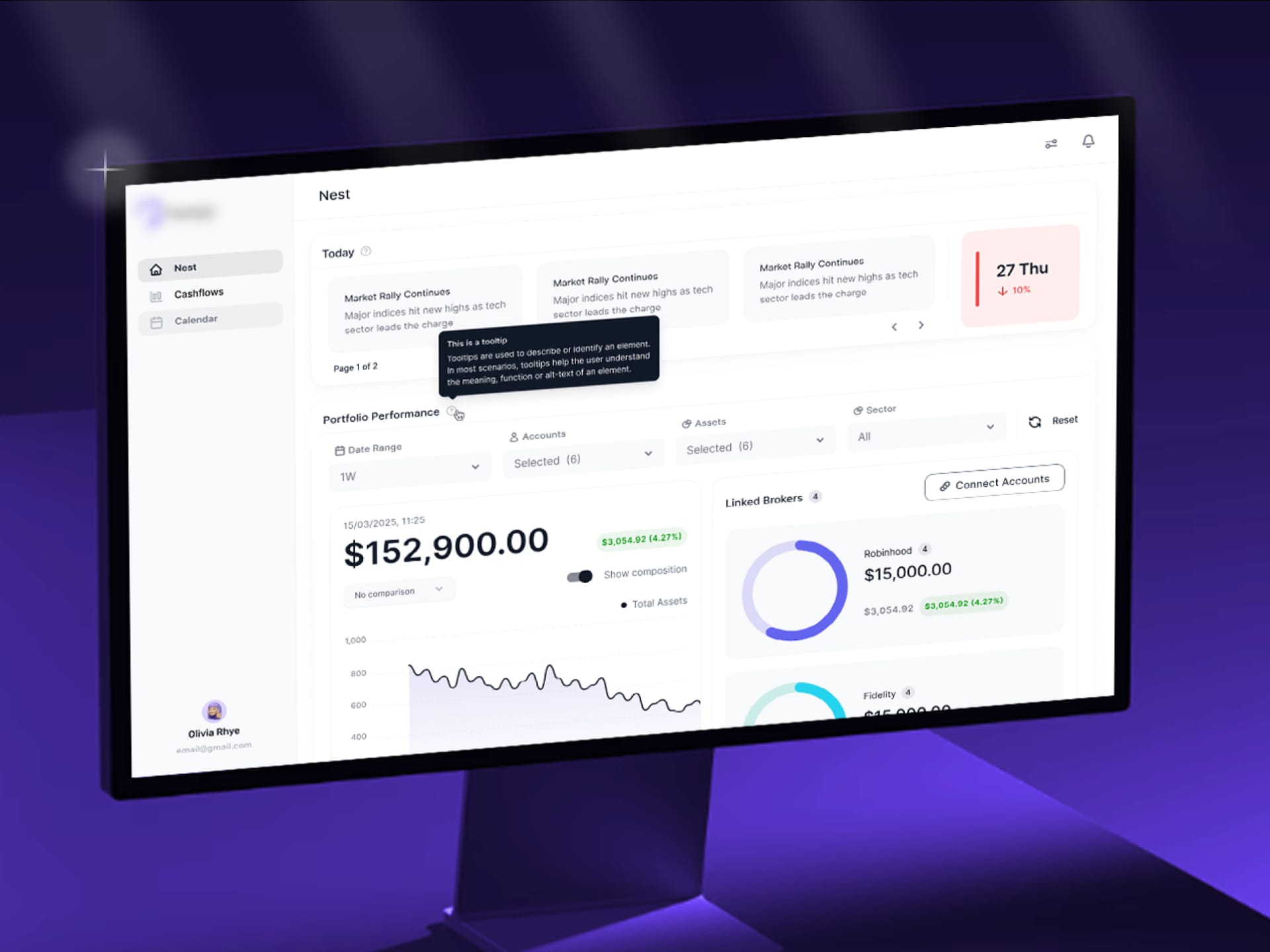
AI-Powered Investment Intelligence Platform
Building a RAG-based investment intelligence platform for a Panama fintech startup — from multi-broker data aggregation to AI-driven portfolio analytics that explain market events in real time.

Panama
Aug '25 – Feb '26
EdTech & Training
Reviving Roots: How We Built an AI-Powered African Language Learning Platform
Lumitech built an AI-powered language learning platform with speech feedback, adaptive lessons, gamification, and analytics for users in the African diaspora.
Client Location
New Jersey
Duration
Aug '25 — Now
Platform
Mobile
AI-Based MVP for Real-Time Fan Engagement for Creators
We developed an AI-powered platform that enables creators to engage with their fans in real time through interactive content, live Q&As, personalized responses, and intelligent automation.
London
Jul '24 — Feb '25
Angel Syndicate Investment Platform for a Saudi Family Office
Turning a fragmented angel investment workflow into a private, generative AI‑powered operating system for syndicates, family offices, and co‑investors.
Jeddah
May '25 - Nov '25
AI-Powered Investment Intelligence Platform
Building a RAG-based investment intelligence platform for a Panama fintech startup — from multi-broker data aggregation to AI-driven portfolio analytics that explain market events in real time.
Panama
Aug '25 – Feb '26
AI Tools for Small Business: Finding Strategic Wins vs. Avoiding Useless Tech
The market of artificial intelligence for small business is crowded with tools promising to save time, increase productivity, and transform the way businesses work. Some really deliver on that promise. Others become yet another subscription your team stops using after a few weeks.
The difference rarely comes down to the quality of the tool itself. More often than not, it comes down to whether the tool solves a real business problem.
Before adopting any AI solution, it’s worth asking a simple question: Will this remove friction from an existing process, or will it simply add another tool to manage?
When AI Tools Make Sense
AI tools work best when they help employees complete repetitive tasks faster without requiring major changes to existing workflows.
For example, a sales team can use AI to summarize customer calls and automatically generate meeting notes; a marketing manager can speed up content research and draft campaign ideas; customer support teams can use AI assistants to suggest responses.
In these situations, the value is immediate. Employees save time, productivity improves, and implementation requires little effort.
For many small businesses, this is the right place to start. It allows teams to experiment with AI, understand where it creates value, and build confidence before investing in larger automation initiatives.
When AI Tools Become Just Another Expense
Problems start when businesses adopt AI simply because everyone else is doing it.
A common example is buying a chatbot when the real issue is poor customer service workflows. Or investing in multiple AI writing tools when content production was never a major bottleneck in the first place.
Another warning sign is when employees constantly move information between small business AI tools and the systems they already use. If a team generates insights on one platform, copies them to another, and then manually updates CRM records, the business may not save much time at all.
This is often the point where companies realize they don’t have an AI problem—they have a workflow problem.
If employees spend more time switching between tools than doing meaningful work, adding another small business AI subscription won’t help. The focus should shift from individual tools to process automation and system integration.
The most successful businesses don’t collect AI tools. They identify bottlenecks, choose technology that removes them, and ignore everything else.


Artificial Intelligence in Business: When Tools Are Not Enough
Many businesses assume that using AI tools means they’ve already adopted AI. But AI adoption often begins only when separate tools start working together. Then AI for business automation becomes valuable.
Instead of helping employees perform tasks faster, automation focuses on eliminating the need for certain tasks altogether. That’s a very different outcome.
From Individual Tasks to End-to-End Workflows
Let’s look at a simple example. A customer submits a request through your website. Without automation, the process may involve several manual steps:
Someone reviews the inquiry.
Someone updates the CRM.
Someone assigns the lead.
Someone sends a follow-up email.
Someone creates an internal task.
None of these actions are particularly difficult. But together, they consume time, cause delays, and create opportunities for human error.
Zero manual triage. AI takes over the entire routine: it instantly identifies the request, logs it in your CRM, alerts the right team member, and drafts a custom response without a single human click.
The employee focuses on the customer relationship rather than administrative work.
That’s the difference between using AI and redesigning a process with AI.
Common AI Automation Opportunities
Most small businesses don’t need futuristic AI systems. They need smoother operations. Some of the highest-impact automation opportunities include:
Customer Support Workflows
AI acts as an automated triage layer for your helpdesk. It spots urgent tickets, routes them to the right specialists, and tees up tailored draft responses before a human even opens the case. Such an approach frees your support specialists from messy inbox management.
Sales and CRM Automation
You can automate the entire operational side of sales. AI takes over lead qualification, CRM updates, and post-meeting follow-ups, execution-ready in seconds. This eliminates hours of manual data input while ensuring your prospects get lightning-fast responses before they go to a competitor.
Document Processing
Businesses handling contracts, invoices, and compliance paperwork often benefit from intelligent document processing services that eliminate repetitive manual work. By deploying smart AI layers, your platform instantly reads contracts and invoices, validates the information against your compliance rules, and automatically pushes clean data into your downstream systems.
Reporting and Analytics
Manual reporting is a massive drain on leadership productivity. AI-powered workflows eliminate this bottleneck as they automatically consolidate information from multiple platforms and generate instant, actionable summaries. Companies looking to move beyond historical reporting often invest in building real-time forecasting system capabilities to anticipate future trends rather than simply react to them.
This provides you with total visibility into your operations without a single minute of processing data manually.
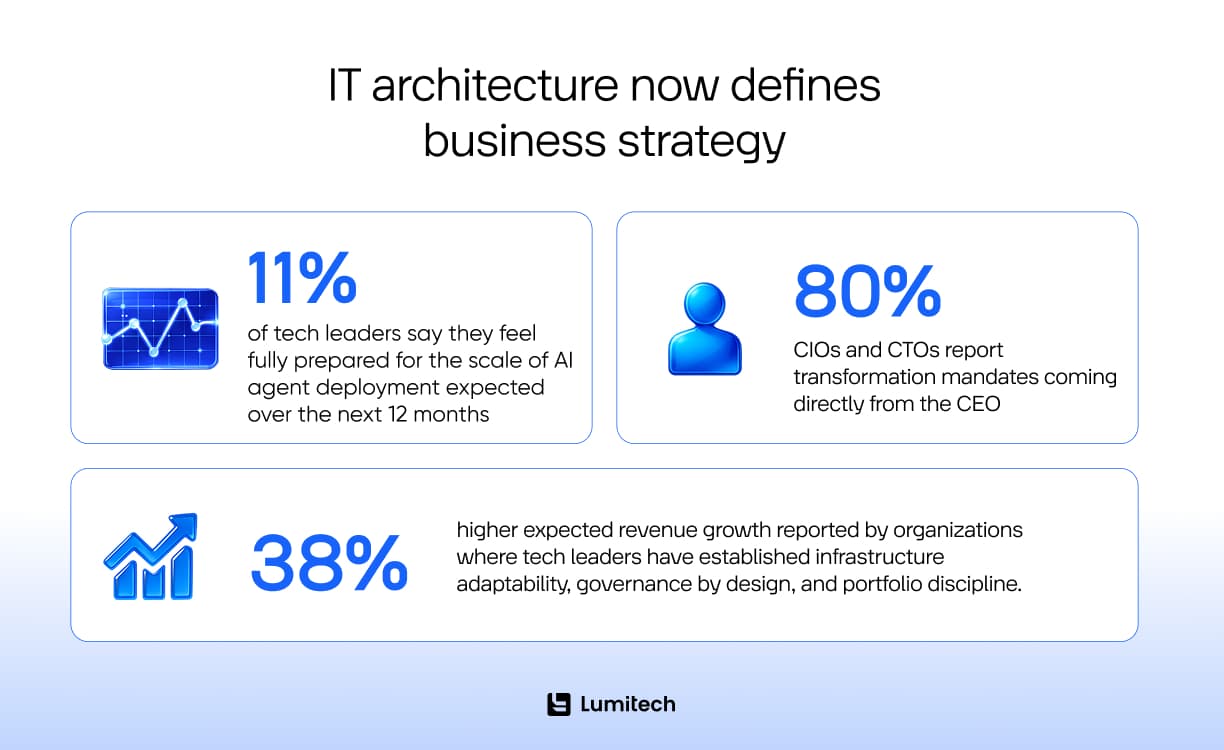
According to IBM research, businesses increasingly focus AI investments on operational efficiency and workflow optimization rather than standalone experimentation.
Why Automation Often Delivers Higher ROI
One reason using AI for business automation leads to such strong business outcomes is that it compounds. A single AI tool may save one employee an hour every day. An automated workflow can save time across an entire department. As businesses grow, those savings grow with them. That’s why organizations looking for long-term efficiency often move from narrow-use AI tools toward broader automation solutions.
Eventually, however, another challenge emerges. Some workflows simply don’t fit inside existing software. And that’s where custom development enters the conversation.
When Small Businesses Need Custom AI Development
Business owners assume that custom AI development means building a proprietary AI model from scratch, which requires a lot of money and a team of machine learning engineers. It is usually much more practical to focus on creating solutions that fit your business. Forcing your business to fit the software does not work.
When Off-the-Shelf Tools Stop Working
Most small businesses decide that they need custom development for one simple reason: their processes are unique.
A logistics company may have specialized routing requirements. A healthcare provider may need strict data access controls. A financial services firm may operate under compliance requirements that generic software cannot support.
The more specialized the workflow becomes, the harder it is to solve using tools that are already available on the market. Eventually, companies reach a point where employees spend more time working around software limitations than benefiting from the software itself.
That’s usually the moment custom development becomes worth considering. At this stage, many organizations start evaluating low-code vs. traditional development approaches to determine the fastest path forward.
Custom AI Development for Business-Specific Workflows
The strongest custom AI projects are rarely focused on technology. They’re focused on operations. For example, a business might need:
A customer portal powered by AI.
A proprietary recommendation engine.
A document processing platform trained on internal data.
Custom AI chatbot development integrated with CRM and ERP systems.
Predictive analytics based on historical business information.
These solutions aren’t replacing existing software. They’re creating capabilities that existing software can’t provide.
The Competitive Advantage of Proprietary Data
One of the most overlooked reasons companies invest in custom AI development is data. Every business accumulates unique operational knowledge over time: customer interactions, sales histories, support conversations, inventory records, internal documentation, and workflow data. Generic AI tools don’t automatically understand this information. Businesses often use RAG development services to connect AI systems with proprietary knowledge bases and internal documentation.
By leveraging proprietary data, businesses can create systems that deliver insights, recommendations, and automation capabilities unavailable to competitors who rely solely on off-the-shelf AI software for small business.
AI Tools vs. AI Automation vs. Custom AI Development
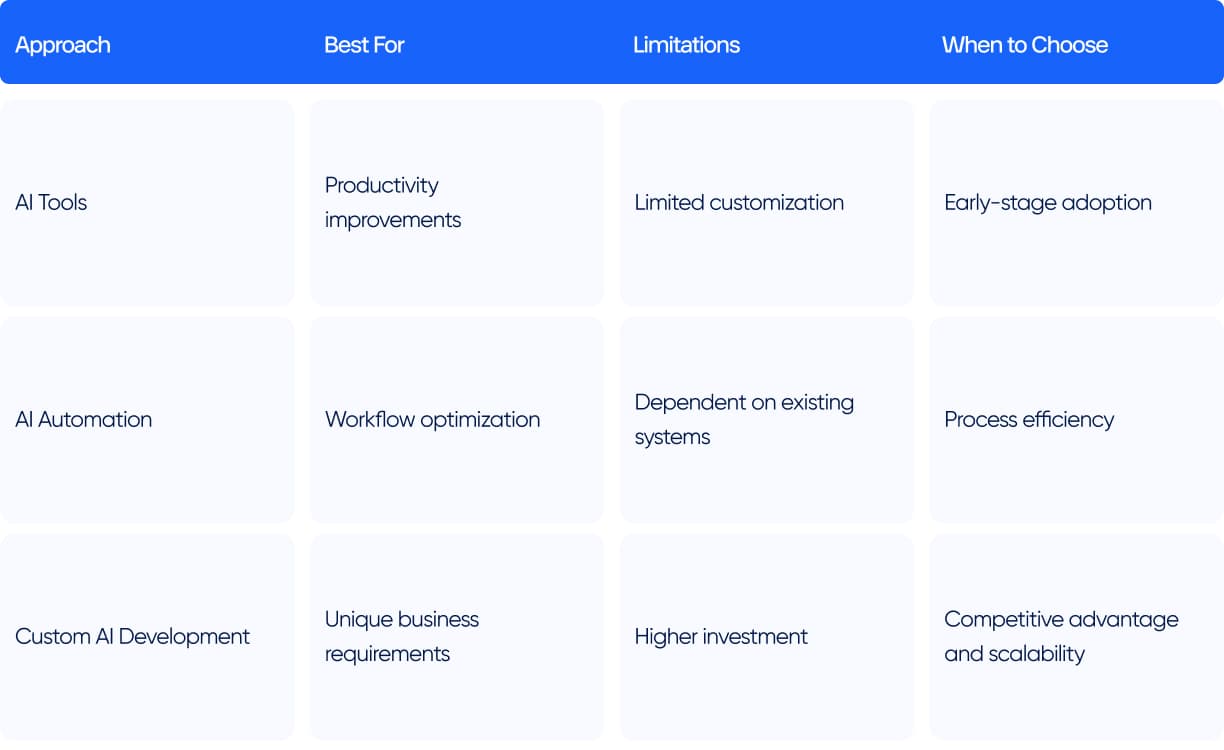
At this stage, the conversation is no longer about using AI because it’s popular. It’s about deciding whether AI can become part of your long-term business infrastructure.
Need more than off-the-shelf AI tools? Lumitech will help you build custom AI solutions for business tailored to your workflows, data, and goals.

How to Implement AI in a Small Business Without Wasting Time or Money
One reason some AI projects fail has nothing to do with the technology itself. The problem is that companies try to do too much, too quickly.
A founder attends an AI webinar, gets excited about the possibilities, and decides to automate customer support, sales operations, marketing, reporting, and forecasting at the same time. A few months later, the project becomes difficult to manage, employees are overwhelmed, and nobody can clearly explain whether the investment generated any value.
The most successful AI implementations usually look much less ambitious at the beginning. They start small. Not because the business lacks vision, but because it understands that proving value matters more than implementing technology.
According to Deloitte’s State of Generative AI research, companies focusing on measurable use cases are more likely to achieve better results than those pursuing broad AI transformation initiatives without predefined business goals.
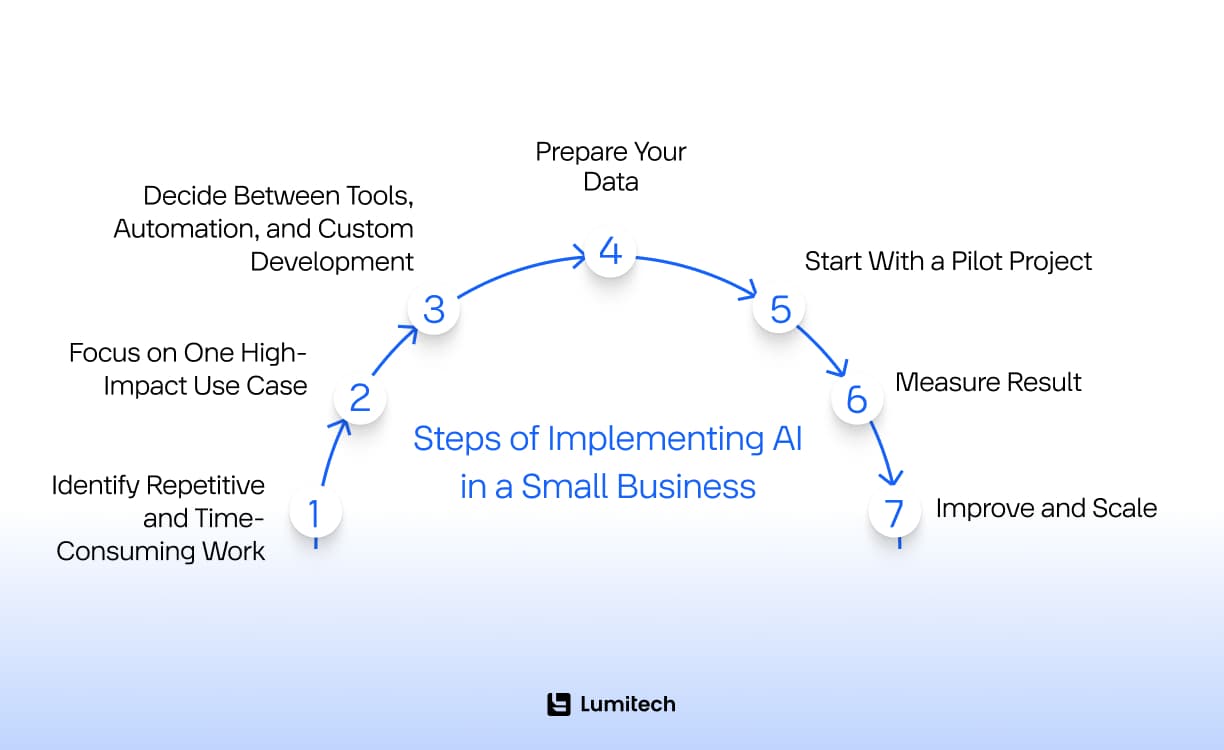
The goal of AI implementation for small business should be to solve a specific operational problem and generate measurable business outcomes. Here is how to use AI for business in detail.
Step 1: Identify Repetitive and Time-Consuming Work
The best place to start is rarely the most exciting. It’s usually the most annoying one.
Look for tasks that employees perform regularly. These activities often involve copying data between systems, creating reports, processing documents, scheduling follow-ups, responding to common customer inquiries, or manually updating records.
One of the easiest ways to uncover AI opportunities is to look at the tasks employees repeat every day. The processes people would gladly eliminate are often the ones with the highest automation potential.
Step 2: Focus on One High-Impact Use Case
Once you’ve identified several opportunities, do not try to tackle all of them. Select the use case that combines three characteristics:
High frequency
Clear business impact
Outcomes you can measure
For example, if your customer support people spend many hours responding to the same questions all the time, automating those interactions may generate faster ROI than experimenting with AI-generated content.
If your finance team spends days processing invoices every month, document automation may be a stronger starting point.
The objective is to find the fastest path to value.
Step 3: Decide Between Tools, Automation, and Custom Development
At this stage, businesses often ask the wrong question. Instead of asking
What AI platform should we buy?
ask
What’s the simplest solution capable of solving this problem?
In many cases, an existing AI tool is enough. In others, you may need workflow automation. More complex environments involving proprietary data, multiple integrations, or unique business logic may justify custom AI development. The right choice depends on the workflow, existing systems, security requirements, and long-term business goals.
Step 4: Prepare Your Data
AI for small businesses is often described as a technology problem. But in most cases it’s a data problem. Even the most sophisticated solution will struggle if the underlying information is inaccurate. Before implementing the technology, make sure you check:
Customer data
Sales records
Operational metrics
Internal documentation
Historical workflows
And overall small business AI strategy.
You don’t need perfect data. But you do need reliable data. The quality of outputs will almost always reflect the quality of inputs.
Step 5: Start With a Pilot Project
One of the smartest approaches to AI adoption for small businesses is launching a limited pilot before scaling. Think of it as a proof of concept.
Instead of automating every customer interaction, automate a specific category of support requests. Instead of redesigning the entire sales process, test AI lead qualification with one team. Instead of implementing predictive analytics across the organization, focus on one department.
This approach helps reduce risk and also creates valuable learning opportunities.
Step 6: Measure Results
Evaluate AI projects based on real outcomes that impact business. Pay attention to the following metrics:
Hours saved
Reduced processing time
Faster customer response times
Increased conversion rates
Reduced operational costs
Higher customer satisfaction
Fewer manual errors
Without clear KPIs, it’s impossible to know whether AI for small businesses is helping or simply creating additional complexity.
Step 7: Improve and Scale
The first version of an AI workflow is rarely perfect.
The businesses generating the highest returns treat AI implementation as an ongoing optimization process. They monitor performance, collect feedback, identify bottlenecks, and continuously improve workflows.
Over time, successful pilot projects expand into broader automation initiatives across multiple departments. This is where AI begins evolving from a useful tool into a strategic business capability.
A Practical 30-Day AI Roadmap for Small Businesses
Frequently, business owners think that AI implementation requires months of development. If you focus on a single, tight operational bottleneck, moving from initial concept to a live prototype is possible within a month.
Here’s what that AI roadmap for small businesses often looks like.
Week 1: Audit Existing Workflows
Spend the first week understanding where time is actually being spent. You have to map out repetitive tasks, identify bottlenecks, and calculate how many hours are spent on manual work each month.
Here, your task is to determine the most promising AI opportunity for your business.
Week 2: Define Success Criteria
Choose one use case and establish measurable KPIs. For example:
Reduce support response times by 50%
Save 20 employee hours per month
Reduce invoice processing time by 70%
Improve lead qualification accuracy
The more specific the goal, the easier it becomes to evaluate results.
Week 3: Build or Test a Solution
Depending on complexity, this may involve:
Testing an AI tool
Creating an automation workflow
Building a proof of concept
Launching an AI pilot project
At this stage, speed matters more than perfection. The objective is validation.
Week 4: Analyze Results and Plan Next Steps
Review performance data.
Did the AI solutions for small businesses save time? Did they improve accuracy? Did employees actually use it? Most importantly, did they solve the original business problem?
If the answer is yes, the organization can begin planning broader implementation.
If not, the lessons learned often reveal a better opportunity.
That’s still a successful outcome.

How Much Does AI Cost for Small Businesses?
This is usually the moment when enthusiasm meets reality.
Business owners understand the potential benefits of AI. They can see opportunities to automate workflows and improve efficiency. The next question is inevitable:
How much is this actually going to cost?
The honest answer is that AI development cost varies depending on what you’re trying to accomplish. A company experimenting with AI-generated content faces a very different investment than a business building an AI-powered customer portal or automating multiple operational workflows.
Most businesses begin this journey with generative AI applications for content generation, research assistance, and customer communication.
The Lowest-Cost Entry Point: AI Tools
Most businesses start their AI journey with software subscriptions. These tools are often inexpensive, quick to install, and can deliver immediate productivity improvements. The tradeoff is that they focus just on individual tasks.
The Middle Ground: AI Automation
As businesses mature, they often move toward automation. Instead of simply helping employees work faster, automation reduces the amount of manual work required altogether. The cost of AI automation depends largely on:
Workflow complexity
Number of integrations
Existing systems
Data quality
This is where many organizations achieve their strongest short-term ROI.
The Strategic Investment: Custom AI Development
Custom AI development requires a larger upfront investment but provides significantly greater flexibility. Businesses typically pursue custom development when they need:
Proprietary workflows
CRM or ERP integrations
Custom AI chatbots
Predictive analytics
Industry-specific functionality
AI-powered products
These initiatives often require specialized AI and ML services to ensure long-term scalability and business value. More advanced organizations are also exploring agentic AI development to create systems capable of acting autonomously across multiple workflows.
The final investment depends on project scope, technical complexity, security requirements, data availability, and scalability needs.
The Cost Question Most Businesses Ignore
Many companies focus just on the cost of implementation. However, it is only part of the equation. The potential cost of maintaining inefficient processes is often much higher.
If employees spend a lot of time and effort on routine work, those costs are already in place. They’re hidden inside salaries, delays, and missed opportunities. The best AI investments must eliminate existing costs.
What Risks Are Hidden Behind the Benefits of AI for Small Business?
Despite all the benefits of AI for small business, it is not a one-size-fits-all solution for every business problem. Most often, problems arise not from the technology itself, but from inflated expectations or incorrect implementation.
One of the main risks is inaccurate results. Artificial intelligence in business can make mistakes, generate inaccurate information, or draw conclusions based on incomplete data. That is why it is important to engage people in controlling the decision-making process.
Another challenge is data security, which is why many organizations invest in AI security solutions to protect sensitive business information. If a business deals with sensitive information, it is necessary to scrutinize how AI tools process, store, and protect user and company data.
It is also worth remembering that AI business solutions cannot fix an inefficient business process on their own. Automating a poorly organized process often only accelerates existing problems.
The best way to minimize risk is to start with small pilots, define clear measures of success, and implement AI where it can create real business value.
AI Tools vs. AI Automation vs. Custom AI Development: Which One Is Right for You?
To sum up, the right choice depends on the problem you’re trying to solve.
If your goal is to help employees work faster, AI tools are usually enough. They work well for tasks such as content creation, meeting summaries, customer communication, and research. They’re quick to implement, relatively inexpensive, and a good way to start exploring AI without major changes to existing workflows.
If the bigger challenge is repetitive work taking place across multiple systems, AI automation often delivers greater value. Instead of helping employees complete tasks faster, it eliminates many of those tasks altogether. Think lead routing, CRM updates, reporting, invoice processing, or customer onboarding workflows.
Custom AI development makes sense when off-the-shelf tools can no longer support your business requirements. This is often the case when you have unique workflows, complex integrations, strict security requirements, or want to build AI-powered features into your own product.
A simple rule of thumb: use AI tools to improve individual productivity, AI automation to improve business processes, and custom AI development to create capabilities that standard software can’t provide.
Let’s discuss your workflows, identify the highest-impact opportunities, and build a solution that delivers measurable business results.