
AI MVP Development Services
Develop an AI MVP That Validates, Launches, and Scales
Most AI demos impress. Few become products people trust with real work. Lumitech turns validated AI concepts, technical prototypes, and business workflows into a functional, production-ready AI MVP, connected to real users, data, and systems. No overbuilding, no wasted spend on a first release that hasn’t proven itself yet.
What Is AI MVP Development?
AI MVP development is the process of building the smallest complete AI-enabled product that real users can operate and evaluate. It’s the fastest, lowest-risk way to find out if an idea deserves a bigger build — before that build happens. An AI demo can’t tell you whether customers will use it, whether it holds up on real data, or whether it’s worth the investment to build further. That’s the gap AI MVP development closes: turning a promising AI capability into a working product.
Prototype / PoC

Purpose
Confirm the AI can technically do the job
Scope
A working model, sample data, no real users
Decision Supported
Is this technically possible?
AI MVP
Purpose
Confirm the AI can technically do the job
Scope
Core user flow, real data, key integrations, basic analytics
Decision Supported
Should we invest in scaling this?
Production Product
Purpose
Confirm the AI can technically do the job
Scope
Core user flow, real data, key integrations, basic analytics
Decision Supported
Should we invest in scaling this?
Why Promising AI Projects Stall Before Launch
Building an AI demo has gotten easier. Most teams don’t get stuck on the model — they get stuck on everything around it: the data, the workflow, the cost, the proof that it actually works. An AI prototype to MVP transition is exactly where that gap needs to close, and it’s where most projects lose momentum.

Prototype Only Works in the Demo
The AI performs well with curated inputs and a controlled setup. Nobody has tested what happens with messy data, real users, or no one from the dev team standing by.

The Scope Keeps Growing
New features, new integrations, new ideas keep getting added — before anyone has confirmed the original concept is worth building at all.

It Was Built Fast, and It Shows
An AI tool or low-code platform got you a working prototype quickly. Extending it, securing it, or handing it to a dev team is a different story.

“It Looks Good” Isn’t a Metric
Outputs seem impressive, but there’s no dataset, no benchmark, and no repeatable way to say whether the AI is actually getting better or worse.
It Can’t Touch the Real Systems
The product isn’t connected — securely or otherwise — to the documents, databases, and tools it would need to do the job for real.
Nobody Knows What It Costs to Run
Model usage, latency, infrastructure, and the human time spent double-checking outputs are all still unknowns — which makes the business case impossible to pin down.
Lumitech converts these unknowns into a focused MVP scope with measurable product, technical, and commercial outcomes.
The Real Test for Any AI MVP
A feature checklist tells you what got built. It doesn’t tell you whether the product should exist. Solid AI MVP development services are built around evidence — testing four things at once, so you don’t end up validating the technology while the real risks to your business go unanswered.

User Value

Workflow Fit

AI Performance

Business Economics
Real evidence, not a longer feature list, is what tells you whether to invest, adjust, or walk away — with confidence either way.
Ready to Turn Your AI Concept Into a Working Product?
Tell us what’s driving the project, what stage it’s at, and what the first release needs to prove. From there, we’ll map out a focused, custom AI MVP development scope based on your core user journey, available data, required integrations, and the business decision you’re trying to make.
AI MVPs We Build, Across Every Product Type
There’s no single “right” architecture for an AI product — it depends on the problem, the data, the level of autonomy required, and what's actually at stake if the system gets something wrong. As experienced AI MVP developers, we choose the approach based on those factors, not on whichever model happens to be trending.

AI Copilots and Knowledge Assistants
Context-aware assistants that help users find information, prepare outputs, or make faster decisions.
Examples: Internal knowledge assistants, customer support copilots, compliance assistants, sales copilots.
RAG and Enterprise Search Products
AI products that pull information from approved documents and data sources — a common starting point for enterprise AI MVP development.
Examples: Policy search, document Q&A, regulated information assistants, customer self-service portals.
Agentic AI and Workflow Automation
Systems that plan tasks, use tools, and complete multi-step workflows within clearly defined limits.
Examples: Research agents, operations agents, case-management automation, scheduling agents.
Intelligent Document Processing
Services that collect, classify, analyze, check, and distribute details from unstructured documents.
Examples: Contracts, invoices, claims, applications, compliance documents.
Predictive and Decision-Support Products
Applications that spot patterns, forecast outcomes, or surface decision-ready recommendations — a strong fit for AI MVP development for startups.
Examples: Risk scoring, forecasting, anomaly detection, recommendation systems.
Multimodal AI Products
Products that work across text, images, audio, video, and structured data together.
Examples: Visual inspection, voice interfaces, document understanding, audio transcription and analysis.
Whatever the category, the goal is the same: the simplest architecture that can actually do the job — nothing added for the sake of looking sophisticated.
The Full Scope Behind a Working AI MVP
An AI MVP is not a model bolted onto a basic screen. Real AI MVP development covers the product, the data, and the engineering around the AI — everything a user touches and everything your team needs to judge whether it worked.
Product Strategy and UX
We start by defining who the product is for, what it needs to prove, and where the first release should stop.
Stakeholder and user discovery · product hypothesis · feature prioritization · user flows, UX/UI design · acceptance criteria · initial roadmap.

AI Architecture and Engineering
We choose the right mix of foundation models, retrieval, rules, and human checkpoints for the task at hand — not the most fashionable option.
Architecture design · model and provider evaluation · prompt and context engineering · RAG/agent/prediction logic · structured outputs · fallback behavior.

Data and Knowledge Layer
We build the minimum data foundation the product needs to be tested reliably and used for real.
Data-source assessment · ingestion and transformation · knowledge-base indexing · structured and vector storage · permissions · data-quality checks.

Application and Integrations
We build the software that surrounds the AI capability and connect it to the systems the workflow depends on.
Frontend and backend development · APIs and microservices · authentication · user roles · business logic · third-party integrations.

Evaluation and Controls
We define how the product’s AI behavior gets measured and kept in check throughout MVP use.
Evaluation dataset · quality metrics · failure taxonomy · edge-case testing · human review and escalation · logging and traceability.
Deployment and Product Analytics
We release the MVP into an environment ready for pilot users, demos, or controlled market testing.
Cloud deployment · CI/CD · usage analytics · feedback collection · performance monitoring · cost tracking.
Small Scope, Complete Product
A tightly scoped MVP isn’t a stripped-down one. Done right, scalable AI-powered MVP development still delivers one full, end-to-end experience — just aimed at a single user group and a single workflow, so the evidence it produces is actually worth acting on.
Deferred Until Proven

Secondary user groups
Broad multi-department functionality
Non-critical integrations
High levels of agent autonomy
Custom model training without proven need
Advanced personalization
Multiple platforms at launch
Infrastructure built for unvalidated scale
Features unrelated to the core hypothesis
Version One Normally Includes
One primary user group
One high-value core workflow
One defined product hypothesis
Representative or approved data
Essential integrations
A usable product interface
AI evaluation criteria
Product analytics
Basic security and permissions
A documented path to the next release
Less isn’t the goal. Focus is. Every dollar goes toward proving whether this is worth scaling.
Reliability Is What Makes the Evidence Trustworthy
An MVP that hallucinates, leaks data, or takes actions no one approved won't tell you anything useful — it’ll just make users nervous. As an AI MVP development company, we don’t treat reliability as a production-only concern; it’s built in from version one, just scaled to the MVP’s actual needs.

Evaluation Before Optimization
Before touching prompts, models, or retrieval logic, we establish a baseline. Otherwise, there’s no way to tell real improvement from outputs that just look better on the surface.

Human Oversight Where It Counts
The entire decision-making process cannot be automated right away. High-stakes actions get a review step, so the system knows when to proceed, when to check, and when to hand off to a person.

Boundaries on Agent Behavior
If the product uses an agent, it only gets the tools and permissions the workflow actually requires — with clear limits on steps, retries, and when to stop and ask.
Boundaries on Agent Behavior
If the product uses an agent, it only gets the tools and permissions the workflow actually requires — with clear limits on steps, retries, and when to stop and ask.

Real Cost, Not Just Model Price
We track what it actually costs to complete a task — not just one API call, but retries, human review, and infrastructure — so the business case is based on real numbers.

Room to Change Models Later
Where appropriate, the product is built so the underlying model can be upgraded without a full rebuild — giving you an investor-ready AI MVP you can defend with real numbers.
From Idea to Working Pilot in Five Steps
Scope the Decision
We start by pinning down the user problem, the business goal, and what decision the MVP actually needs to support — plus the data and environment it has to work within. Outcome: An agreed product hypothesis, success criteria, exclusions, timeline, and budget range.
Design the Product and Architecture
We map the core user journey and figure out how the application, the AI, the data, and the human checkpoints fit together — the backbone of solid AI MVP development services. Outcome: A validated user flow, UX direction, and technical architecture.
Build the Core Vertical Slice
We build one complete path first — from user input through AI processing to the final output — before expanding anything else. Outcome: A working end-to-end flow that proves the architecture holds up.
Complete and Evaluate the Build
We finish the agreed functionality, integrations, evaluation logic, and analytics, whether the work involves generative AI MVP development or a more classic prediction and retrieval setup. Outcome: A feature-complete MVP with documented test results and known limitations.

Launch the Pilot, Define What’s Next
We release to real, approved users, watch how it performs, and compare the results against what we set out to prove. Outcome: A clear, evidence-based call on whether to scale, adjust, or stop.
CUSTOMER STORIES
Explore What We've Built
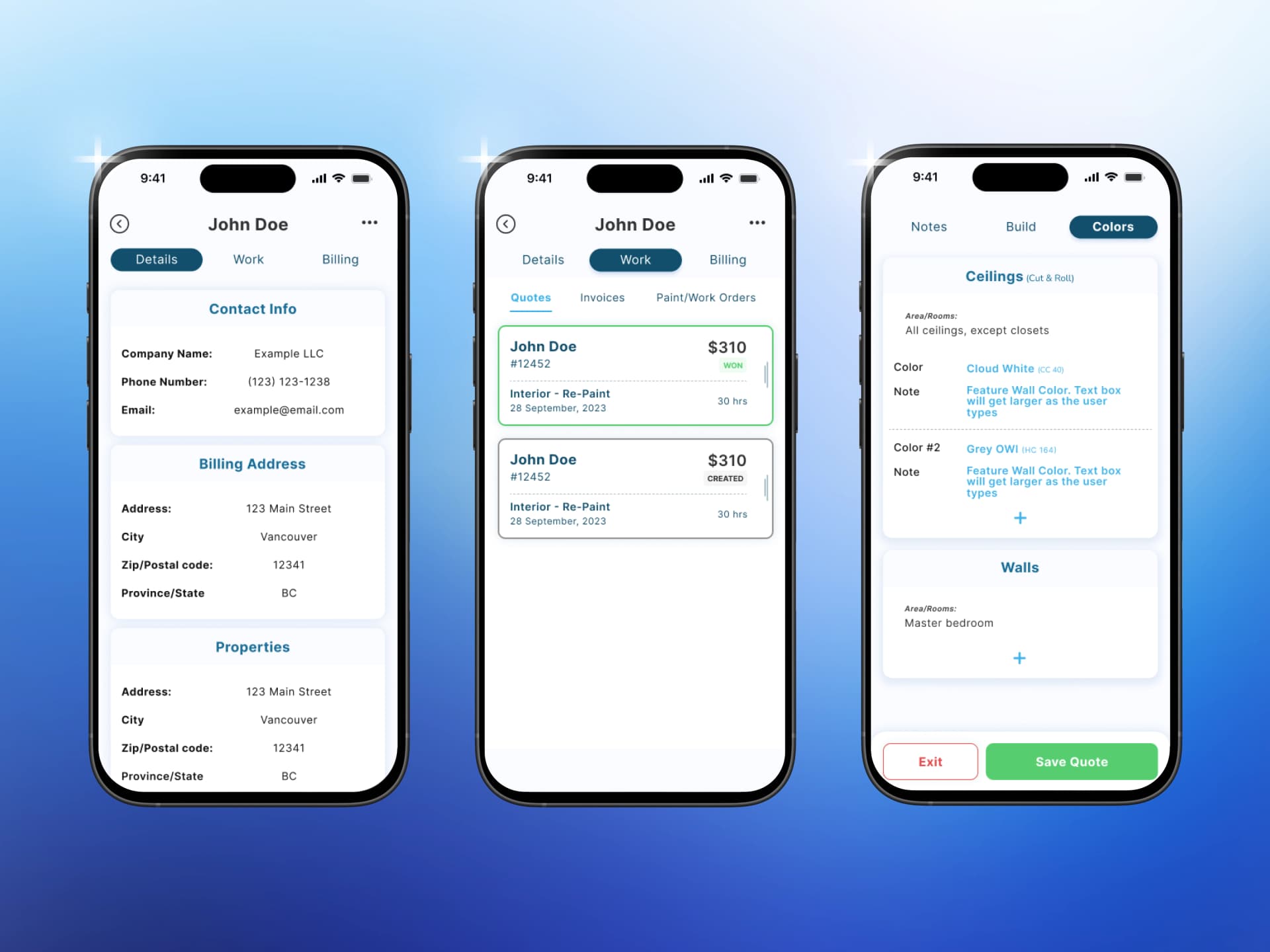
Offline‑First Estimating App for a Growing Painting Business
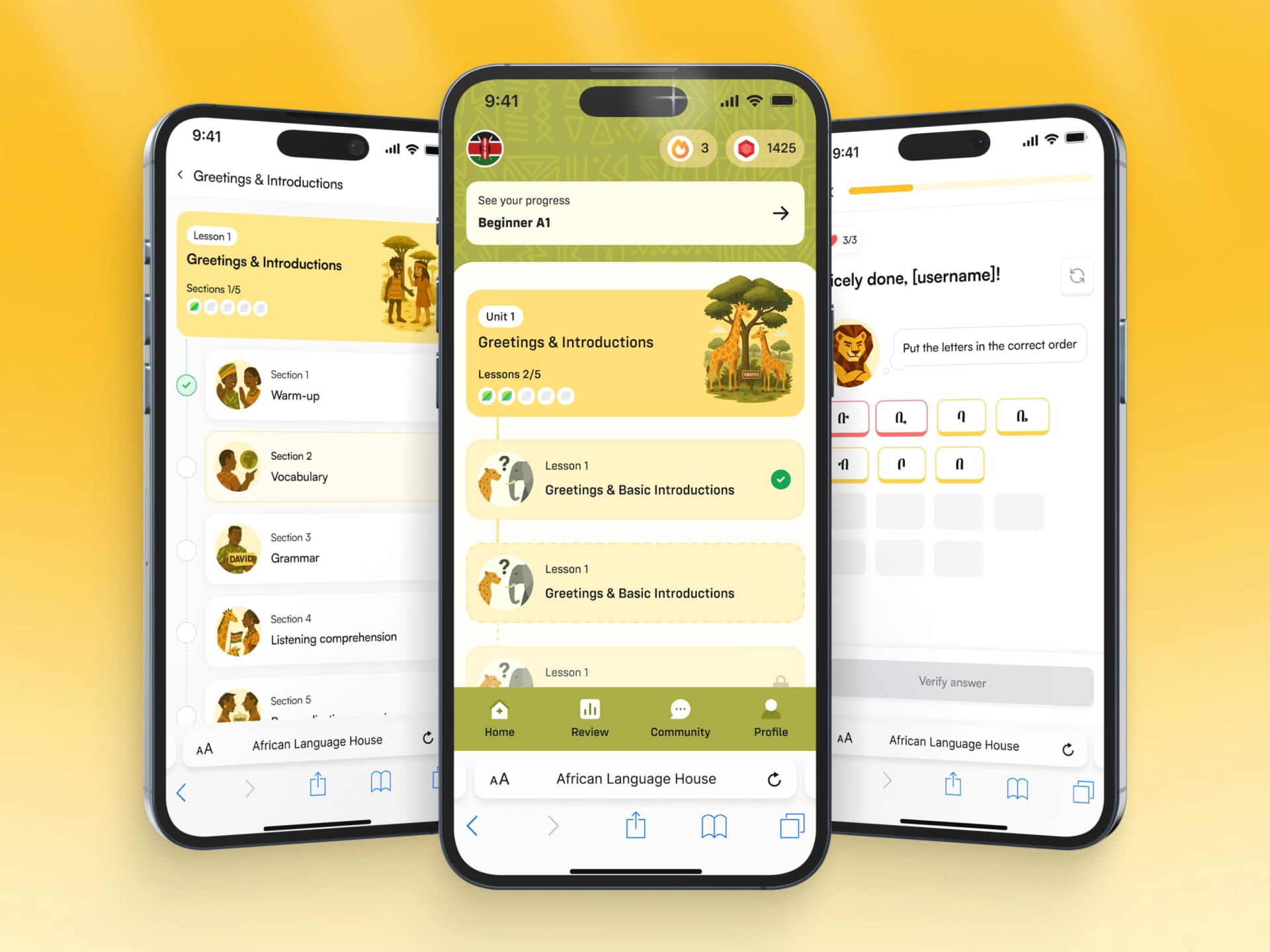
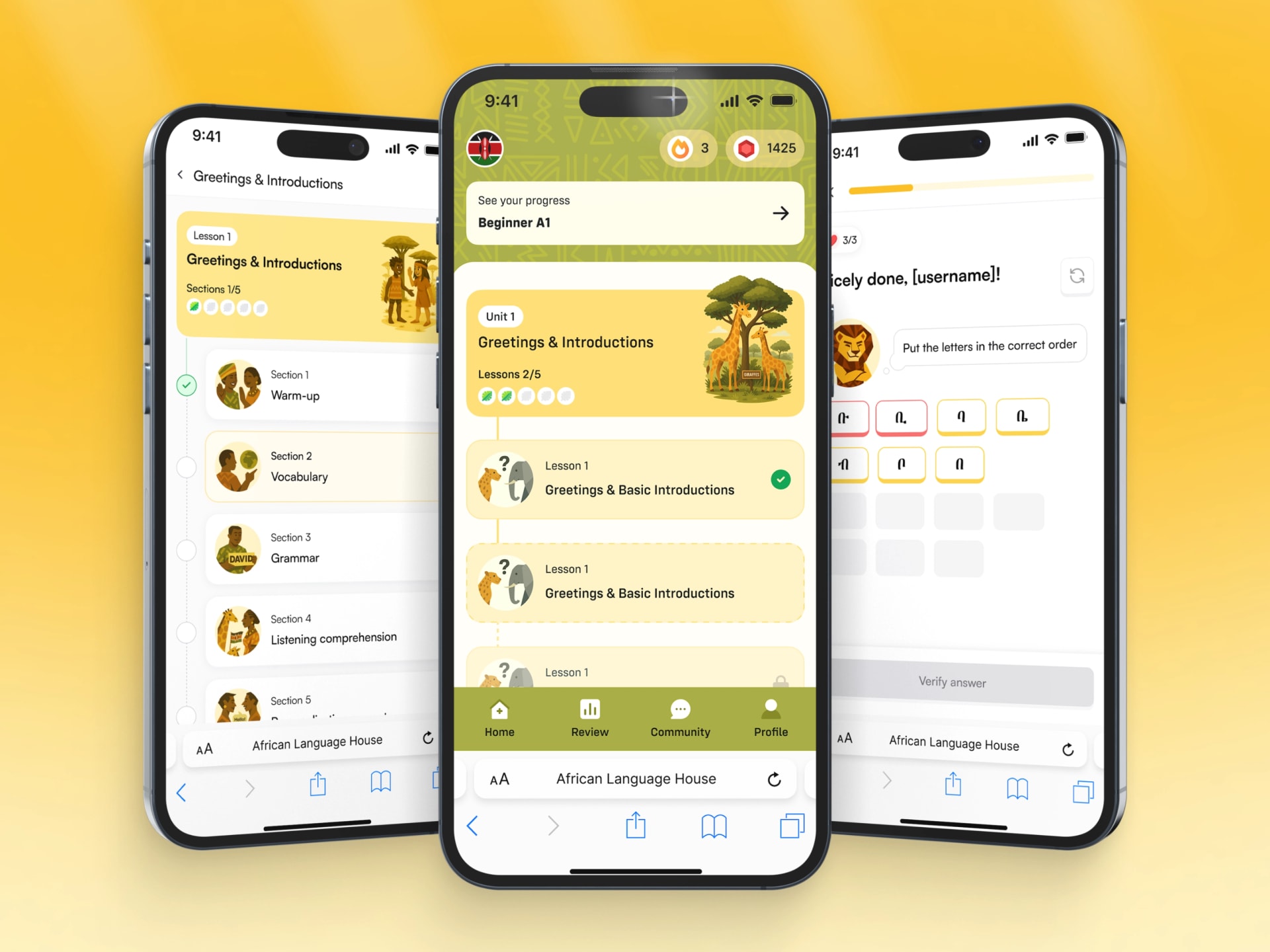
Reviving Roots: How We Built an AI-Powered African Language Learning Platform
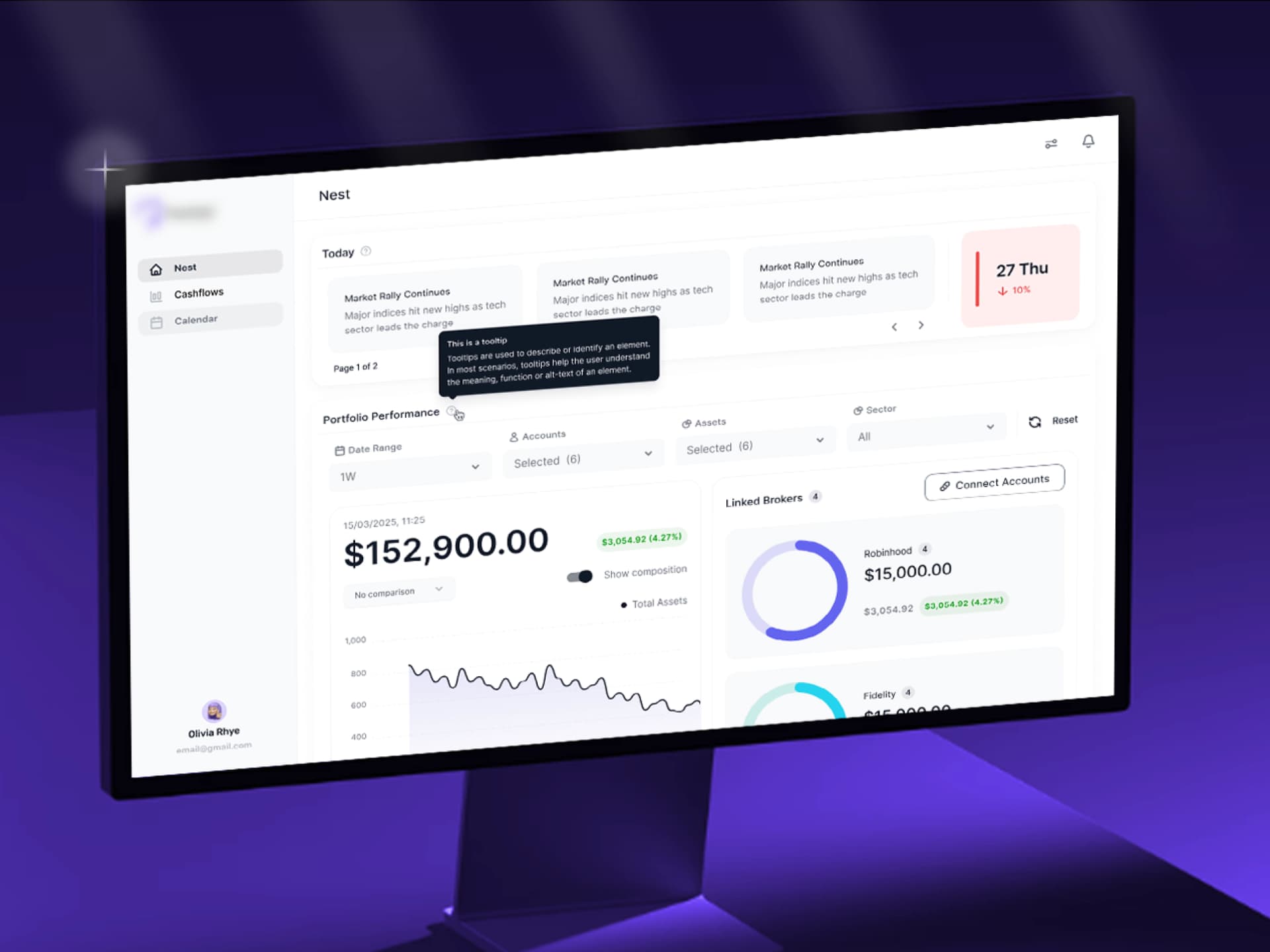
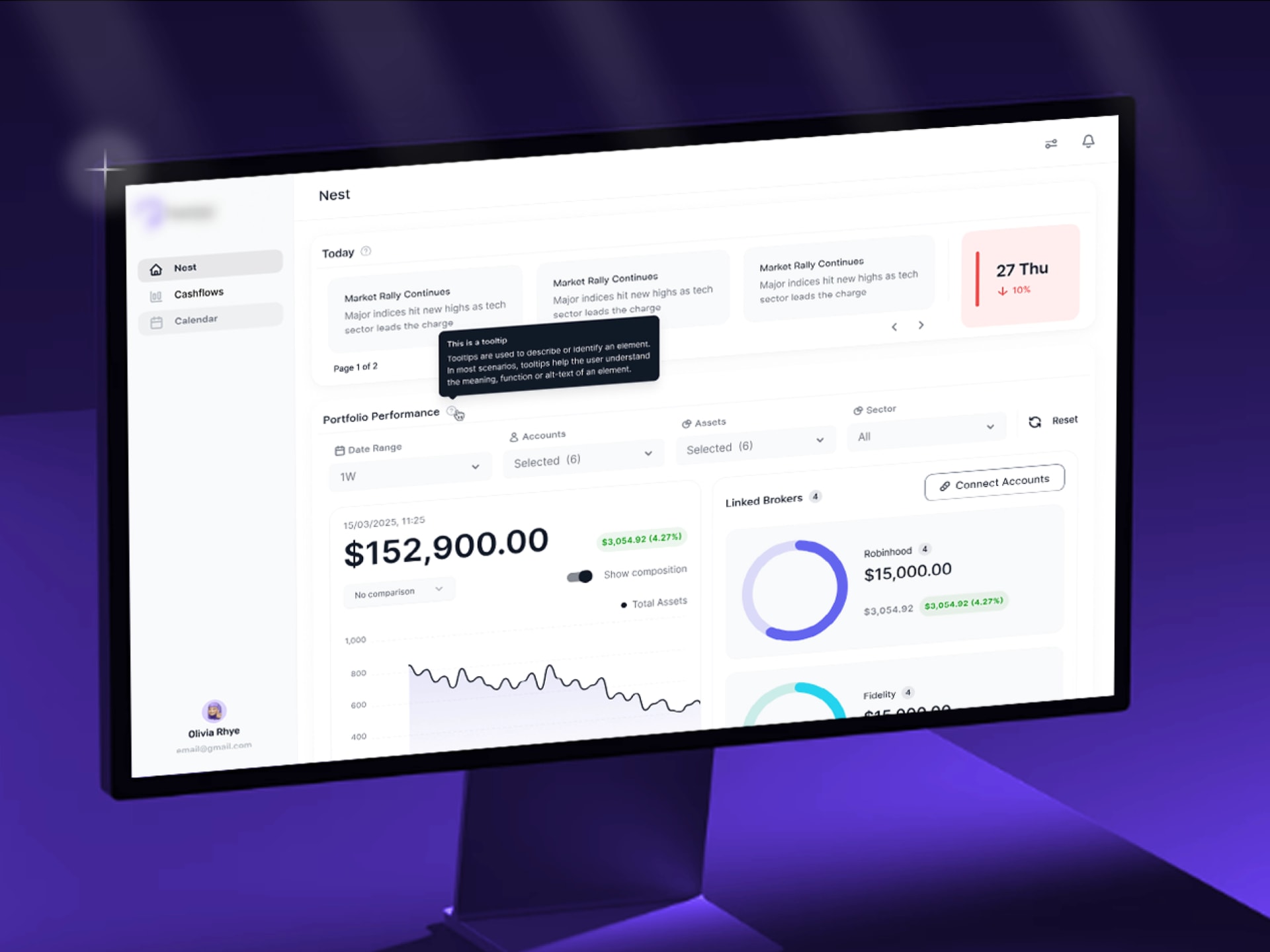
AI-Powered Investment Intelligence Platform
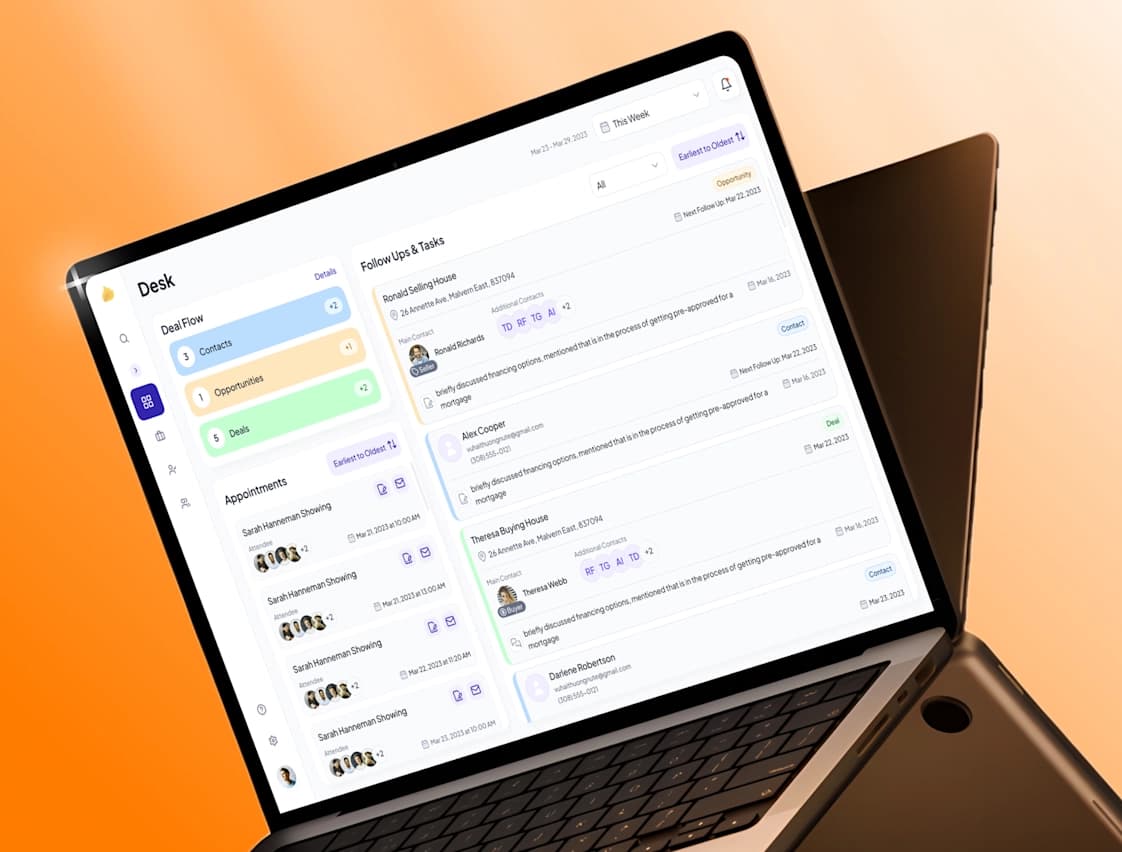
Transforming Real Estate with AI: CRM for Deal Management
Most of our clients are based in the United States and the Middle East, with a strong presence in Dubai and Saudi Arabia. Lumitech focuses on connecting these two dynamic regions, helping companies build and scale technology solutions across both markets.
Behind the Numbers: AI MVP Cost and Timeline
The model you choose is rarely what drives the budget. What actually determines cost and timeline for AI product MVP development is scope, data readiness, integration complexity, and how much reliability the use case demands.
Product Scope
How many users, workflows, screens, roles, and platforms make it into the first release.
Integration Complexity
The number and quality of APIs, internal systems, databases, and approval workflows the product has to work with.
Reliability Requirements
How much evaluation, fallback logic, human review, and failure testing the use case genuinely needs to be trustworthy.
Data Readiness
Whether the data you need is accessible, structured, current, and actually representative of real use — not just a clean sample set.
AI Architecture
Whether the build needs a single model call, retrieval, machine learning, tool-using agents, or several of these working together.
Security and Regulations
Data residency, sensitive information handling, access control, auditability, and any industry-specific requirements.
Product Scope
How many users, workflows, screens, roles, and platforms make it into the first release.
Data Readiness
Whether the data you need is accessible, structured, current, and actually representative of real use — not just a clean sample set.
Integration Complexity
The number and quality of APIs, internal systems, databases, and approval workflows the product has to work with.
AI Architecture
Whether the build needs a single model call, retrieval, machine learning, tool-using agents, or several of these working together.
Reliability Requirements
How much evaluation, fallback logic, human review, and failure testing the use case genuinely needs to be trustworthy.
Security and Regulations
Data residency, sensitive information handling, access control, auditability, and any industry-specific requirements.
Why Teams Choose Lumitech for AI MVP Development Services
users, for your team, for the business case — is everything built around it: the logic, the data, the integrations, the controls. Lumitech brings all of that into one accountable team.

Business Focus Before Technology
We start with the user problem and the business outcome you’re after, and choose models and frameworks to fit — never the other way around.

A Product Mindset, Not a Demo Mindset
Every piece we build ties back to a user action or a measurable outcome. As an AI MVP development company, that’s the line we hold between “impressive” and “usable.”
AI and Software Engineering Under One Roof
UX, backend systems, data, infrastructure, and the AI layer itself are handled by one team — not stitched together across vendors.
Architecture Built for Where AI Is Headed
Models, providers, and pricing keep shifting. We design for that, so scalable AI MVP development doesn’t mean rebuilding the product every time the landscape moves.
Scope and Delivery, Fully Transparent
Functionality, exclusions, assumptions, and acceptance criteria are agreed before development starts — no surprises mid-build.

You Own What We Build
Source code, product assets, documentation, and IP belong to you, whether you take it into production yourself or hand it to another team.
Whether you’re moving an AI prototype to MVP or starting from a blank page, the goal is the same: a product you can trust the results of.
Our partners
Our Custom Software Quality is Proven By Our Partners
Our partners include companies from the Inc. 5000 and Europe's 1000 Fastest-Growing Companies
Our partners include companies from the Inc. 5000 and Europe's 1000 Fastest-Growing Companies
MOVE FROM IDEA TO EVIDENCE
Build the First AI Release That Proves What Comes Next
Start with one core user group, one high-value workflow, and a defined set of product, AI, and business assumptions. Lumitech will help you turn them into a functional AI MVP and an evidence-based roadmap for the next release.
Defined scope. Working product. Measurable results. Full code and IP ownership

Related Services
AI Prototype Development Services
For when you need to test technical feasibility first — confirming the model, the data, and the riskiest assumption can actually work before committing to a full build.
AI MVP Development Services
For when the concept is proven, and it’s time to test the product itself — user adoption, AI performance, workflow fit, and the economics behind it.
RAG Development Services
For products that need to answer questions grounded in your own documents and data — with the permissions and access controls that come with real business use.
Agentic AI Development Services
For workflows that call for an AI system to take multi-step action on its own, within clearly defined limits and human checkpoints.
AI Readiness Audit Services
For teams with an existing prototype or product that isn’t quite ready for production — this identifies exactly what’s holding it back.
MLOps Services

For AI systems already in use — keeping them deployed, monitored, and improving as data, models, and usage evolve.
Good to know
How much does it cost to build an AI MVP?
How long does it take to build an AI MVP?
Can you turn an existing prototype into an AI MVP?
What is included in AI MVP development services?
Can an AI MVP be scaled into a production product?
Ready to bring your idea into reality?
- 1. We'll sign an NDA if required, carefully analyze your request and prepare a preliminary estimate.
- 2. We'll meet virtually or in Dubai to discuss your needs, answer questions, and align on next steps.
- Careers → careers@lumitech.coPartnerships → partners@lumitech.co
Prefer a direct line to our CEO?


Prefer a direct line to our CEO?