
Digital Transformation in the Middle East: A Practical Guide for CEOs, CTOs and Government Leaders
Saudi Arabia’s Vision 2030, the UAE’s national AI and centennial agendas, Qatar’s smart-nation programs, and the cloud-first policies adopted across the GCC have made the region a global showcase for digital intent.
- Digital transformation
June 26, 2026
 AI Overview
Digital transformation in the Middle East is now a board-level priority driven by economic diversification, young connected populations, and sovereign investment, since execution rather than strategy has become the real bottleneck. Core trends shaping every roadmap include AI, cloud adoption, digital government, smart cities, and cybersecurity. PwC projects AI alone could contribute roughly $320 billion to the regional economy by 2030.

The harder question now is no longer what to transform, but how to execute — reliably, securely, and at scale.
For boards and government leaders, that shift changes the conversation. Strategy decks and proofs of concept are no longer the bottleneck. The bottleneck is delivery: turning AI, cloud, and smart-city ambitions into working platforms that integrate with legacy systems, comply with data-sovereignty rules, and continue to perform after the launch event.
This guide is written for the people accountable for that outcome — CEOs, CTOs, CIOs, digital government leaders, innovation teams, and procurement decision-makers — and focuses on the practical decisions that separate digital transformation in the Middle East that ships from transformation that stalls. Where execution help is needed, it also points to the kind of digital transformation services that turn strategy into shipped systems.
Why Digital Transformation in the Middle East Is a Board-Level Priority
In most regions, digital transformation is a CIO concern that occasionally reaches the board. In the Middle East, the order is reversed. Transformation is being driven top-down — from national visions and sovereign wealth funds into ministries, state-owned enterprises, and the private sector that serves them. That makes it a board-level priority by default, and three forces explain why.
Economic Diversification
The GCC economies are deliberately reducing dependence on hydrocarbons, and technology is the chosen engine of the digital economy Middle East governments are now building. AI, advanced manufacturing, fintech, and tourism platforms are not side projects — they are the growth thesis. When the national agenda is digital, every large organization is expected to contribute, which is why digital transformation initiatives in the Middle East now reach far beyond IT departments.
Demographics and Expectation
The region has one of the youngest, most connected populations on Earth, and technology adoption in the Middle East rivals or exceeds that of mature markets. Citizens and customers expect government and private services to be instant, mobile-first, and intelligent. A clunky experience is not just uncompetitive — it is visibly out of step with the national direction.
Aligned Capital and Political Will
Sovereign funds, government programs, and regulatory incentives are channeling major investment into digital infrastructure, with flagship efforts like NEOM representing transformation at a scale rarely attempted anywhere. Among the digital transformation statistics Middle East leaders watch most closely, PwC has projected that artificial intelligence alone could contribute roughly US$320 billion to the Middle East economy by 2030.
Digital transformation in the Middle East is now tied to mandate, reputation, and budget cycles that are closely watched at the highest level. A delayed or failed initiative is a visible miss against a public commitment. That raises the premium on execution certainty, and on choosing partners who can deliver against it.



Middle East Digital Transformation Market Size
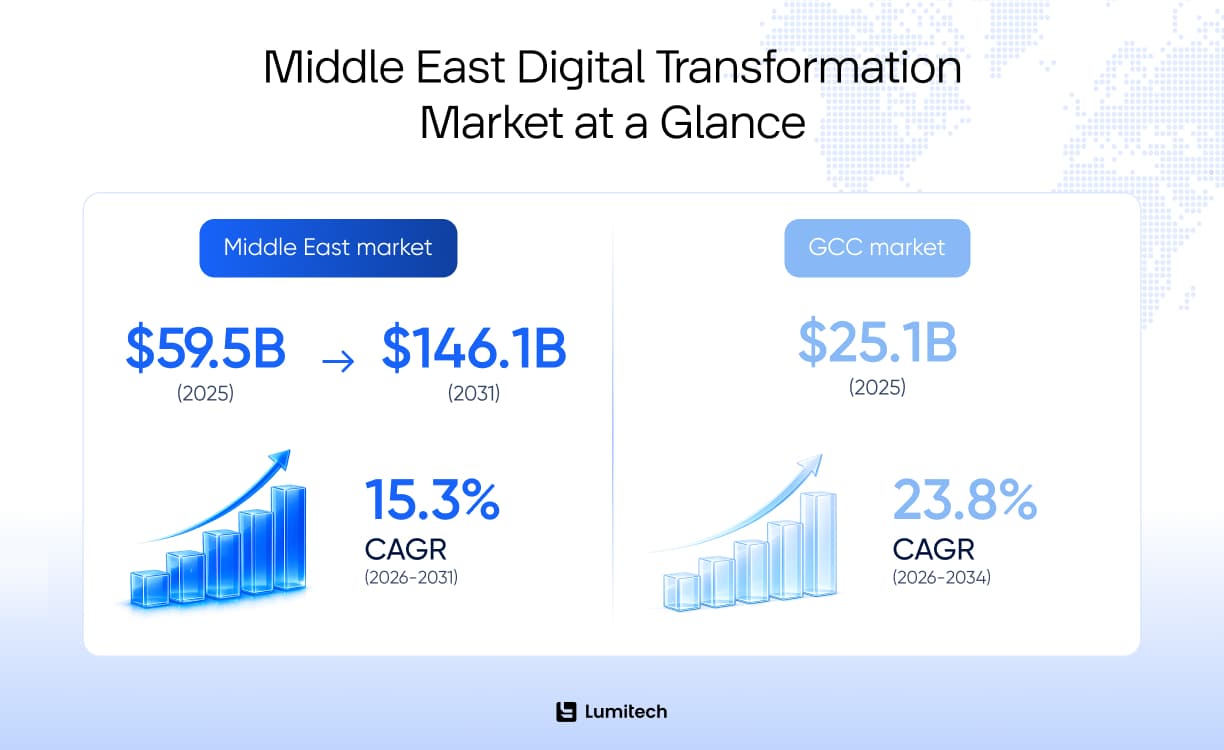
Digital transformation is one of the region’s largest growth markets. According to Mordor Intelligence, this market is expected to grow from $59.5 billion in 2025 to $146.1 billion by 2031, representing a strong 15.3% CAGR. Saudi Arabia alone accounted for more than 34% of regional spending in 2025, driven by Vision 2030 initiatives, AI investments, cloud adoption, and large-scale modernization programs.
GCC is still the primary growth engine for digital transformation. IMARC estimates the GCC market reached $25.1 billion in 2025 and is projected to grow at a 23.8% CAGR through 2034, fueled by government-led investments in AI, smart cities, digital government services, cloud IT infrastructure, and Industry 4.0 initiatives.
What Digital Transformation Means in the Regional Context
Digital transformation has become a catch-all term used to describe everything from cloud migration to AI adoption. In the Middle East, however, the concept carries a more specific meaning.
At its core, transformation here means redesigning how an organization creates value using digital technology — not simply digitizing existing paper processes.
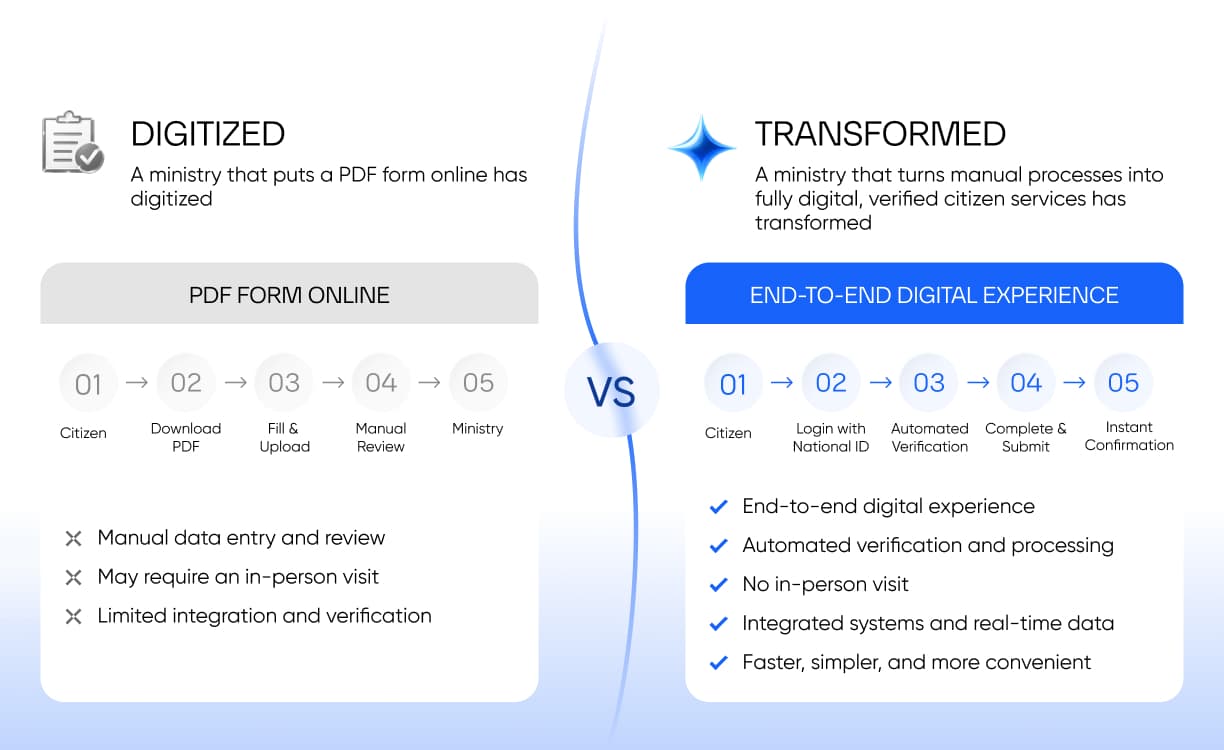
The difference is whether the underlying process, data flow, and experience were rethought — or merely scanned.
Three regional factors carry unusual weight:
Data sovereignty and residency. Many sectors require that data — especially government, financial, and personal data — be stored and processed within national borders. This is why hyperscalers have opened in-region cloud regions across the GCC, and why architecture decisions cannot be copied wholesale from Western playbooks.
Bilingual, right-to-left experience. Arabic-first design — including in AI assistants and document processing — is a baseline expectation. It materially affects usability and adoption.
Government-to-everything integration. National identity systems, e-government gateways, and shared platforms mean private and public solutions increasingly need to interoperate with state infrastructure.
It is also a mistake to treat the Middle East as a single market, and GCC digital transformation does not move at a single pace. Saudi Arabia and the UAE set the pace, with the deepest funding and the most developed cloud and regulatory infrastructure — which is one reason demand for IT companies in Saudi Arabia and software providers in Dubai is so high. Qatar, Bahrain, Oman, and Kuwait advance on their own timelines and priorities — from tech companies in Qatar supporting smart-nation goals to software development in Oman maturing more recently — and the wider story of digital transformation in MENA varies more still. A solution calibrated for one market will often need adjustment for another — around regulation, procurement norms, and the maturity of local talent.
The takeaway for leaders: digital transformation in the Middle East is an exercise in integration, compliance, and localization, layered atop modern engineering. A solution that is technically executed at a high level but neglects residency rules or Arabic experience will not have a chance to survive procurement.
Planning a digital transformation initiative?
Let's assess your current landscape, identify the biggest opportunities, and build a roadmap that delivers measurable business value.

Where the Region Is Actually Investing: Five Middle East Digital Transformation Trends That Matter
Ask a dozen CTOs in the region what’s on their roadmap, and you’ll hear the same five themes. These are the digital transformation trends in the Middle East that show up on nearly every agenda. They’re deeply connected — cloud underpins AI, security wraps it all — yet each demands a very different kind of delivery to get right.
Artificial Intelligence
The region has moved AI from rhetoric to institution. The UAE appointed the world’s first Minister of State for Artificial Intelligence in 2017, and Saudi Arabia established the Saudi Data and AI Authority (SDAIA) in 2019 to govern data and AI strategy.
The result: AI is now expected inside products and services — intelligent assistants, Arabic-language document intelligence, predictive analytics, and increasingly agentic automation that completes multi-step workflows. Demand for serious AI and ML development has followed.
But the maturity gap is real. Many organizations have run impressive AI demos yet not put a single AI feature reliably into production. The next phase is production-grade AI that is accurate, governed, and integrated with real systems.
Cloud
Cloud adoption accelerated once major hyperscalers opened in-region data centers, resolving the residency objection that had previously slowed migration — including AWS regions in Bahrain (2019) and the UAE (2022), and Microsoft Azure regions in the UAE, alongside investments by Oracle and Google Cloud. Bahrain adopted one of the region’s first cloud-first government policies, fueling demand for any capable services provider in Bahrain.
The conversation has matured from “should we move to cloud” to “how do we run a secure, multi-cloud or hybrid estate that meets sovereignty rules.” The practical work now is migration done properly — re-architecting rather than lift-and-shift — plus cost governance and platform engineering.
Digital Government
Digital government is where the region arguably leads globally. National identity and authentication platforms, unified service portals, and the ambition of proactive, zero-visit government have set a high bar for citizen experience, and digital transformation for the government sector is now a category of its own.
The frontier is shifting from making services available online to making them anticipatory and AI-assisted — services that reach out before the citizen has to ask, working seamlessly across shared national platforms.
Smart Cities
Smart-city ambition here is unmatched, from NEOM and THE LINE to long-running sustainability projects and city-scale platforms in Dubai. These are not pilots — they are attempts to build urban environments around data and automation from the ground up, and they are backed accordingly: Saudi Arabia’s NEOM alone carries a reported headline investment of around US$500 billion.
For technology partners, smart-city work is the most demanding category: IoT, real-time data, integration across dozens of systems, and reliability requirements in which failure has physical consequences.
Cybersecurity
Every new digital service, cloud platform, or connected system expands the attack surface. That's why cybersecurity has become a core part of digital transformation across the Middle East. With stricter regulations and growing expectations around data protection, organizations can no longer treat security as a final project phase. Secure architecture, compliance, and resilience must be considered from the start to ensure initiatives can scale safely and meet regulatory requirements.
Industry Use Cases of Digital Transformation In MENA
Trends become tangible at the industry level. A few examples show where transformation creates measurable value.
Government and Public Sector
The high-value work is automating document-heavy back-office processes — permits, licensing, claims, case management — with document intelligence and workflow automation, plus AI assistants that handle citizen queries in Arabic and English. The payoff: reduced processing time, lower cost-to-serve, and capacity freed for higher-value work.
In the region, platforms like Saudi Arabia’s Absher and Najiz, and Abu Dhabi’s TAMM, consolidate hundreds of government services into single digital channels, with national identity sign-on via Nafath and UAE Pass.
Financial Services and Fintech
The GCC is a fast-growing fintech hub. Use cases include real-time fraud detection, AML, and transaction monitoring built on machine learning to reduce false positives, as well as secure integration with payment gateways and core systems — the backbone of serious banking modernization. Reliability and compliance are non-negotiable, and the engineering bar is high.
GCC fintechs such as STC Pay and BNPL players Tabby and Tamara scaled on exactly this kind of engineering — real-time payments, risk scoring, and integration with national rails like Saudi Arabia’s mada and sarie.
Energy, Industrial, and Utilities
For energy and industrial companies, digital transformation is about keeping critical operations running efficiently. Real-time monitoring, predictive maintenance, and digital twins help teams spot problems before they cause disruptions. Behind the scenes, these initiatives rely on integrating legacy systems, sensor data, and modern analytics platforms.
ADNOC’s Panorama Digital Command Centre and Dubai’s Digital DEWA program are two well-known examples of this approach in action.
Construction and Real Estate
Project-heavy environments are digitizing fast: digital transformation in construction spans project and resource management, field-operations systems, estimating, and reporting, while PropTech leasing and management platforms modernize how property is bought, rented, and managed.
Regional platforms like Property Finder and Bayut in PropTech demonstrate how customer-facing, integration-heavy products are reshaping these sectors.
Retail and Logistics
Customer-facing platforms and logistics optimization are common, and this is also where AI-generated prototypes and low-code builds first appear — and where they most often need to be rebuilt into something that can handle real users and integrations.
Regional platforms like noon in e-commerce and DP World’s trade and logistics systems run on exactly this kind of engineering.
Education and Workforce
With young populations and national upskilling agendas, EdTech and workforce-development platforms are a growing category — learning systems, assessment tools, and the internal platforms that help organizations build the digital talent the region is short of.
The UAE’s Alef Education, Saudi Arabia’s national Madrasati learning platform, and tech-upskilling initiatives like Tuwaiq Academy illustrate how widely this is being deployed.
What This Looks Like in Practice
A pattern Lumitech sees repeatedly: the easy, generic build is rarely the valuable one. Value concentrates where a solution must integrate, comply, localize, and perform under real conditions.
For example, Lumitech built a supply-chain management platform for a restaurant analytics company, turning fragmented operational data into a system teams could actually run on; engineered a data-driven mobile app with real-time GPS telemetry and offline-first reliability for use in the field; and, in one fast-track engagement, validated an AI investment platform in two weeks — giving the client a clear build decision before committing serious budget.
Customer Stories
Explore What We've Built
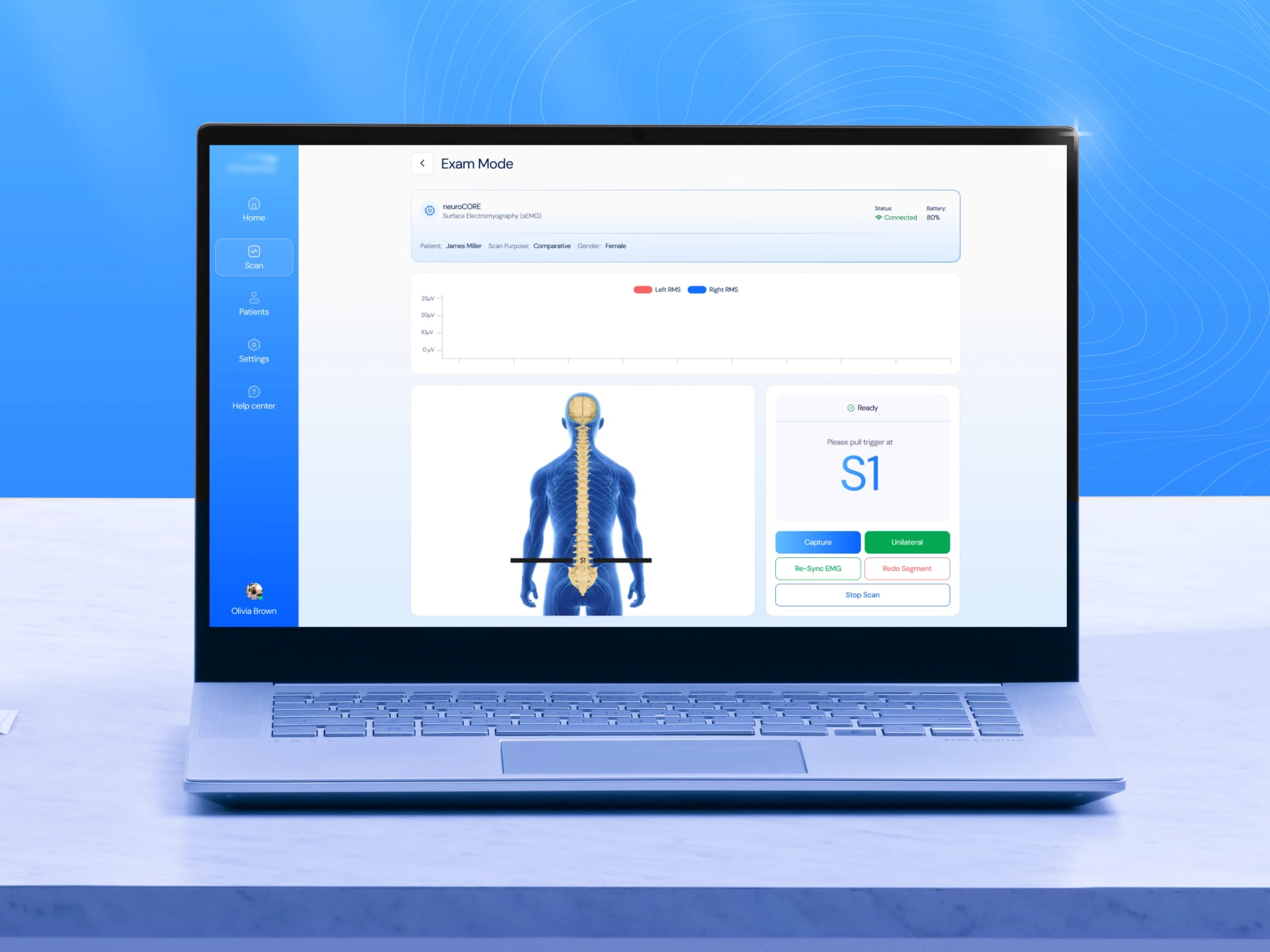
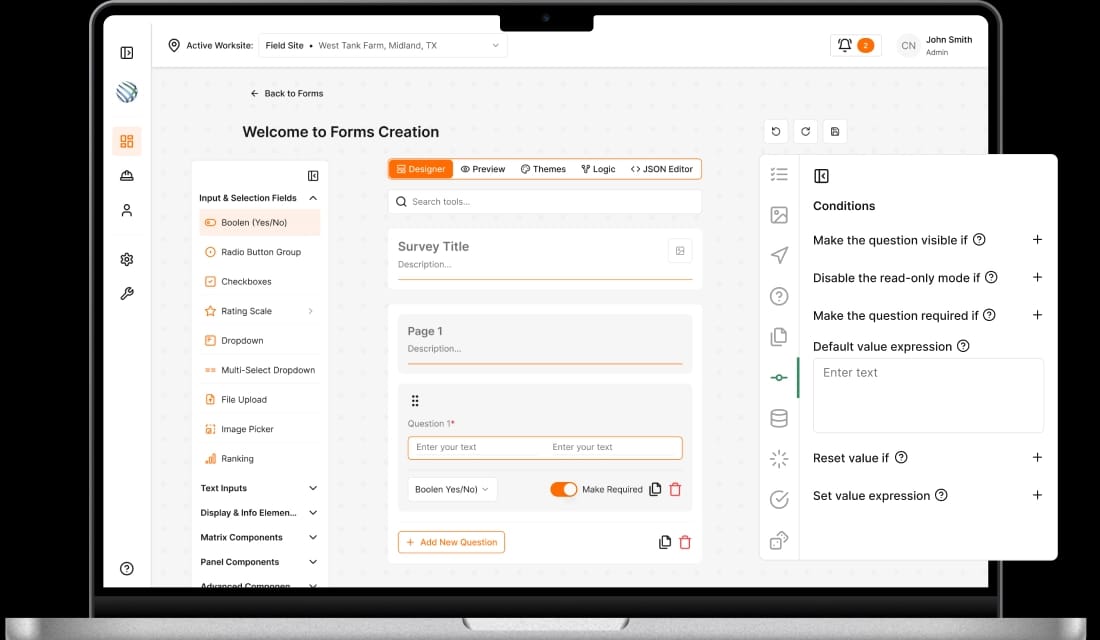
Redesign & Modernization of a Clinical Diagnostics Platform
Redesigning a clinical neurotechnology platform by improving data visualization, decision-support workflows, and patient-facing reporting across a complex hardware-software diagnostic ecosystem.

Toronto
Sept '25 - Feb '26
Valorian x Lumitech
Modernizing industrial services with a modular SaaS ecosystem that turns consulting insight into real‑time scheduling, safety, and compliance tools.

Houston
Jun '23 — Now
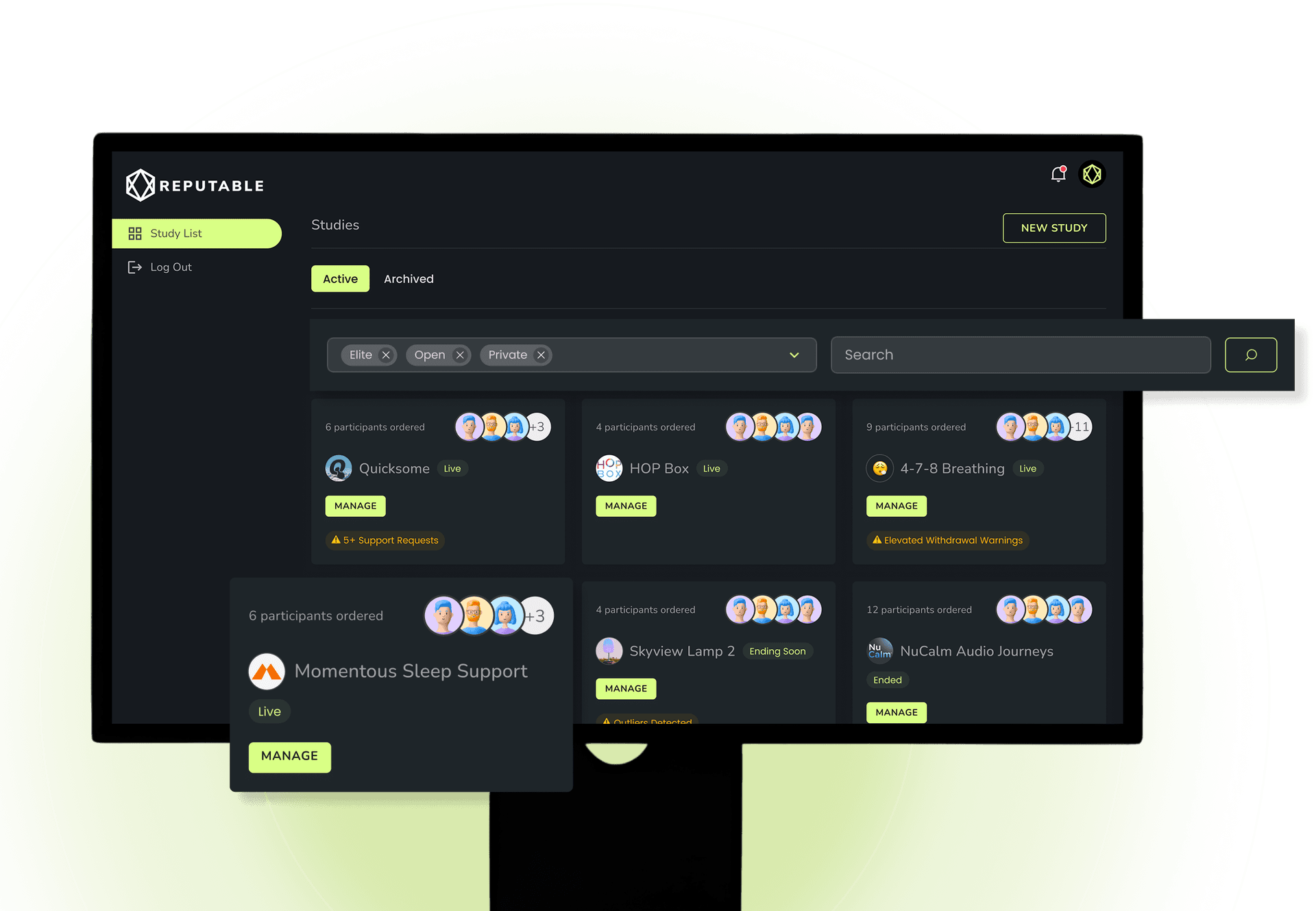
Reputable Health X Lumitech
A powerful, rebuilt AI engine delivering fast evidence generation, automated insights, and seamless analytics fueled by reliable wearable integrations.
Toronto
Feb 25 — Now
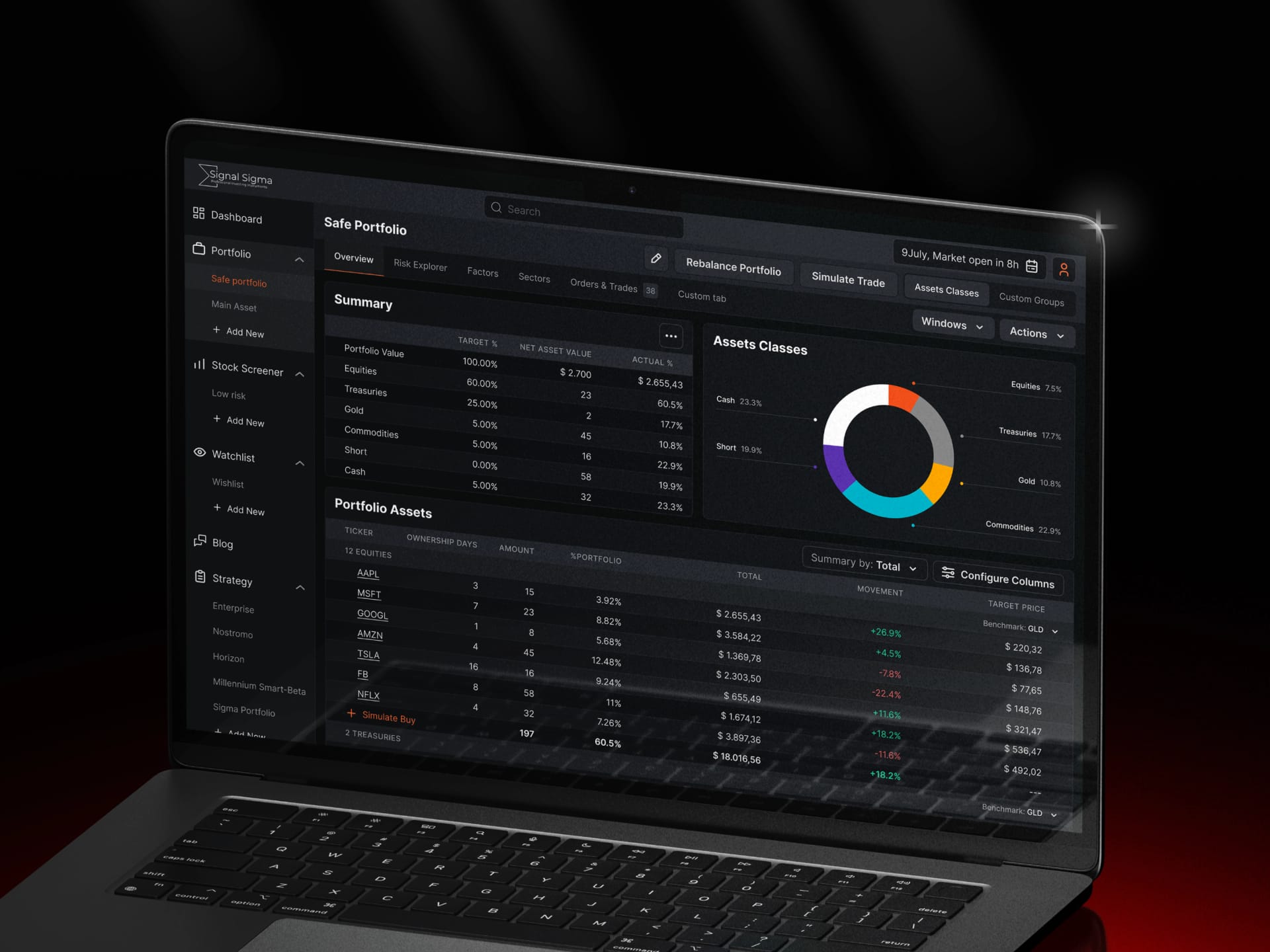
Analytics-Driven Investment Platform for Finance Professionals
Learn more on how to make smarter investment decisions with SignalSigma, use real-time analytics, optimized portfolio insights, and improved asset allocation.

Bucharest
Aug '24 — Now
Health & Wellness
Redesign & Modernization of a Clinical Diagnostics Platform
Redesigning a clinical neurotechnology platform by improving data visualization, decision-support workflows, and patient-facing reporting across a complex hardware-software diagnostic ecosystem.
Client Location
Toronto
Duration
Sept '25 - Feb '26
Platform
Mobile and Desktop
Valorian x Lumitech
Modernizing industrial services with a modular SaaS ecosystem that turns consulting insight into real‑time scheduling, safety, and compliance tools.
Houston
Jun '23 — Now
Reputable Health X Lumitech
A powerful, rebuilt AI engine delivering fast evidence generation, automated insights, and seamless analytics fueled by reliable wearable integrations.
Toronto
Feb 25 — Now
Analytics-Driven Investment Platform for Finance Professionals
Learn more on how to make smarter investment decisions with SignalSigma, use real-time analytics, optimized portfolio insights, and improved asset allocation.
Bucharest
Aug '24 — Now
Digital Transformation Challenges in the Middle East
If the opportunity is clear, so are the digital transformation challenges in the Middle East. Industry research has long warned that a large share of digital transformation programs fall short of fully meeting their objectives. The encouraging part is that the failure modes are well understood, which means leaders who recognize them can design around them.
The strategy-to-execution gap
One of the biggest risks in digital transformation is execution. While organizations are clear on their strategic goals, many still struggle to convert roadmaps and pilot projects into production-ready systems that deliver real business value. Too often, promising initiatives stall before reaching scale, making execution capability—not ambition—the true differentiator.
Talent scarcity
Demand for senior engineers, architects, and AI specialists far outstrips local supply, and competition from flagship projects is fierce. This pushes organizations toward IT outsourcing companies in Dubai and other partners — but partner quality varies widely, and the cost of choosing wrong is high.
Legacy and integration complexity
Most enterprises and government bodies carry legacy systems, fragmented data, and decades-old processes. The hardest part of most projects is connecting the new build to what already exists — which is why legacy modernization services are consistently underestimated and consistently decisive.
Data sovereignty and compliance
Getting residency, privacy, and security wrong can stop a project at procurement or expose the organization to regulatory and reputational damage. Compliance must be designed in from the architecture stage.
Change adoption
Technology alone does not drive transformation — adoption does. Organizations that invest in usability, change management, and workforce enablement are far more likely to achieve lasting impact than those that focus solely on implementation.
Vendor and concentration risk
Choosing the wrong technology partner can derail even the most ambitious transformation initiative. Scalability limitations, vendor lock-in, and insufficient delivery expertise often emerge only after implementation begins, making partner evaluation a critical part of risk management.
Whether you’re modernizing legacy systems, building AI-powered solutions, or scaling digital operations, the right technology partner can help you avoid common pitfalls and move from strategy to measurable outcomes.

How to Choose an IT Partner
For most organizations, the realistic path to execution runs through a technology partner. This is the single highest-leverage decision in the program — and it deserves more rigor than a feature comparison or a day-rate negotiation.
Evaluate on what actually predicts delivery:
Engineering depth, demonstrated. Look for evidence of complex, production systems delivered — not slideware. Ask to see architecture decisions, how they handle scale and failure, and references in comparable domains.
Regional readiness. Confirm genuine understanding of data residency, GCC compliance, Arabic-first experience, and integration with national platforms. A partner unfamiliar with these will learn on your budget.
Outcome orientation. The best partners talk about business impact — cycle time, cost, revenue, risk — not billable hours. They should be willing to tell you when something will not work.
Delivery discipline. Transparent roadmaps, predictable sprints, and clear communication separate reliable partners from chaotic ones.
Security and quality as defaults. Strong QA, secure-by-design architecture, and documentation should be standard rather than premium add-ons.
Right engagement model. A credible partner flexes between staff augmentation, dedicated teams, and full-cycle delivery depending on your internal capability.
Build vs. Buy vs. Partner
Before committing, leaders face a foundational choice: build the capability in-house, buy an off-the-shelf product, or partner with a technology provider. The right answer is usually a deliberate mix.
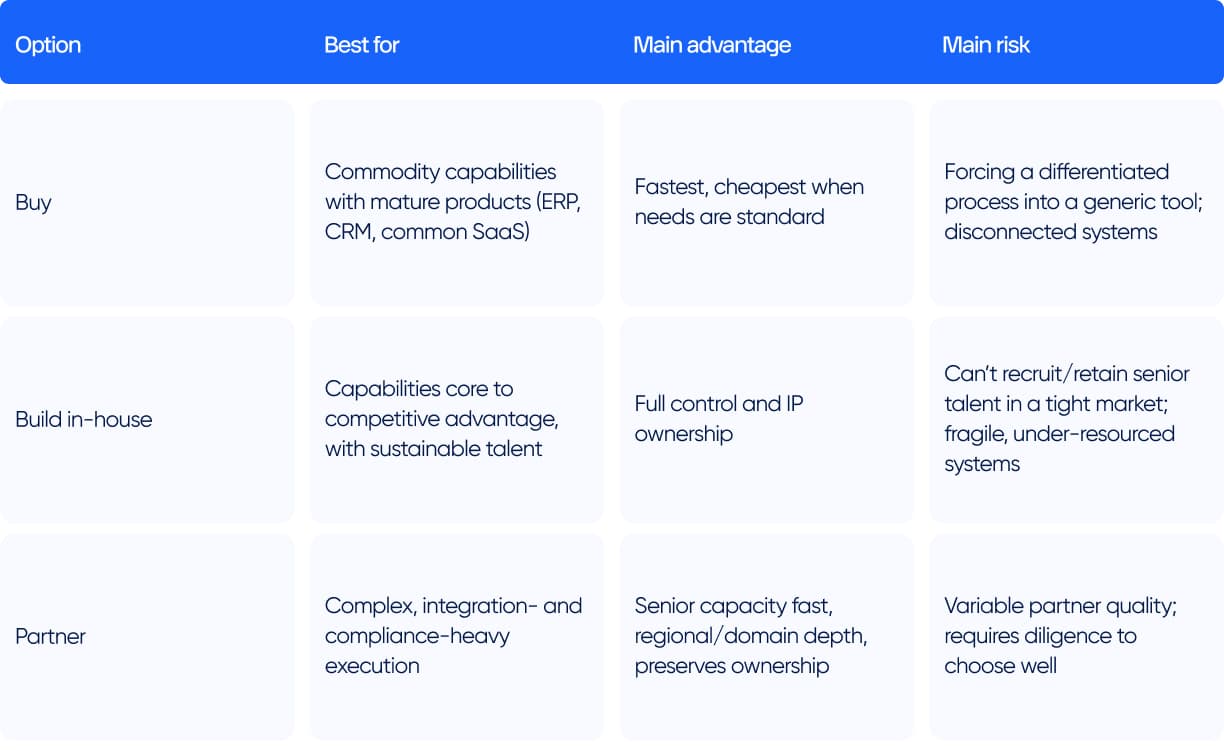
Partner is the pragmatic default for most regional transformation, because it resolves the talent constraint while preserving ownership — provided you choose a partner who builds for handover, with clean architecture and full documentation.
In practice, the smart pattern is: buy the commodity, build or own the differentiator, and partner to execute — particularly for the complex, integration-heavy, compliance-bound work where regional specifics and engineering depth matter most.
Whichever mix you choose, evaluate it on total cost of ownership, not initial price. A cheap product that requires constant customization, or a fast in-house build that later needs a full rewrite to scale, can cost far more over three to five years than a well-architected solution delivered the first time properly. The expensive outcomes in transformation are rarely the upfront ones — they are the rebuilds, the security incidents, and the stalled programs.
Digital Transformation Roadmap
A roadmap turns intent into sequenced, fundable action. The phased approach below reflects how successful MENA digital transformation programs are structured — and deliberately front-loads the de-risking that prevents expensive mistakes.
Phase 1 — Discovery and problem definition
Start from the business problem. Your task is to detect real pain points, root causes, current systems, data flows, and constraints, and define success in measurable terms.
Output: a clear problem statement, success criteria, and a prioritized view of where value concentrates.
Phase 2 — Validate the riskiest assumptions
Before a full build, prove the parts most likely to fail — AI reliability on your data, integration with legacy or national platforms, performance, and the feasibility of compliance. A lean proof of concept answers whether the idea works in real conditions and produces a build / improve / pivot decision before serious budget is spent.
Output: a focused POC and a clear verdict.
Phase 3 — Architect for compliance and scale
Design the architecture with data residency, security, and scalability built in from the start. Decide on the cloud and integration strategy and define the security posture so the foundation can grow rather than requiring a rewrite.
Output: a production-ready architecture and security plan.
Phase 4 — Build and integrate iteratively
Deliver in tight, visible increments — shipping the highest-value and highest-risk components first and integrating continuously with existing systems. Keep progress transparent and the cadence predictable.
Output: a working, integrated solution delivered in stages.
Phase 5 — Launch, adopt, and measure
Treat launch as the start, not the finish. Invest in change management, bilingual training, and adoption, and instrument the system to track Phase 1 KPIs — cycle time, cost, adoption, satisfaction, and revenue impact.
Output: a live solution with measurable adoption and impact.
Phase 6 — Operate, optimize, and scale
Establish operations to monitor, secure, and continuously improve the platform — and, where AI is involved, to retrain and govern models so performance improves over time rather than degrading. Use the foundation to roll out the next capabilities.
Output: a stable, improving platform and a pipeline for what’s next.
The discipline that distinguishes successful roadmaps is sequencing risk early and value continuously — rather than committing everything up front to a single big-bang delivery.
Future Outlook
The next chapter of digital transformation in MENA will be written in production, not in strategy decks. Several shifts will define the period ahead:
Agentic AI will move from pilots into operational workflows, automating multi-step processes — but only in organizations with the data readiness and engineering governance to deploy it safely. This was a central theme in Lumitech's own insights from Web Summit Qatar 2026, distinguishing real AI strategy from AI hype.
Sovereign and regional cloud and AI capability will deepen, as the region invests in owning more of the stack — data centers, compute, and Arabic-capable models.
Smart-city and giga-project delivery will keep pushing the frontier of integrated, real-time systems, generating demand for engineering maturity few vendors possess.
Regulation — around data protection, AI governance, and cybersecurity — will tighten, raising the compliance bar and rewarding partners who treat it as foundational.
The constant beneath these shifts is that ambition is no longer the differentiator. The region has more than enough ambition. The differentiator is the ability to execute — to design, build, integrate, secure, and scale digital platforms that work in real conditions and keep working.
For CEOs, CTOs, and digital transformation for government sector leaders, that reframes the central question. It is no longer “what is our digital strategy?” — it is “who can we trust to deliver it?”
Move from MENA Digital Transformation Strategy to Execution with the Right Partner
For organizations moving from Middle East digital transformation strategy to execution, the gap is rarely vision — it is reliable delivery. Lumitech helps close that gap: validating the riskiest assumptions early, architecting for compliance and scale, and building secure, regionally ready platforms your team and stakeholders can depend on. As a software provider in Dubai and an established company in KSA, it works closely with the markets it serves.
With engineering experience across fintech, legal tech, and industrial sectors, an outcome-first approach, and active engagement in the regional ecosystem — including Web Summit Qatar — Lumitech works as an extension of your team, not a vendor selling hours.
The most valuable next step is a focused conversation about your specific problem, constraints, and the shortest path to a working solution.


