
AI Readiness Assessment Services
Assess Your AI Readiness Before You Invest
Before you commit budget, an AI readiness assessment tests whether the business case, data, systems, and implementation path can actually support your initiative. You get an engineering-grounded recommendation on what to build, what to fix first, and what to reconsider.

Before AI Becomes a Build, It Has to Become a Business Decision
An AI initiative can be entirely possible to build and still be the wrong investment. Is the problem valuable enough to solve? Is AI the right approach Will the solution fit the workflows and systems you already run? And can it operate at a cost and risk level the business can justify? An AI readiness assessment answers those questions with evidence, before the first sprint is planned.

Too Many Possible Use Cases
You have several AI ideas in circulation but no evidence-based way to decide which one deserves investment first.

The Business Case Is Still Assumed
The concept sounds promising, but expected value, users, success metrics, and build-versus-buy logic have not been tested.

Data and Systems Have Not Been Validated
The use case depends on data, integrations, permissions, or infrastructure that nobody has confirmed will hold up.

A Prototype Exists, Production Path Doesn’t
Something works in a controlled environment, but reliability, cost, security, integrations, and operating ownership are unresolved.
AI Assessment Services for Different Business Decisions
Scope should follow the decision, not a fixed package. These four starting points cover the questions we are asked most often.
AI Readiness Assessment

For those preparing to implement a defined AI initiative. We evaluate business value, data, technology, workflows, governance, including enterprise AI readiness assessment work in multi-system environments.
Helps answer: Are we actually ready to build this?
AI Opportunity Assessment

For companies that intend to invest in AI but have not yet defined the right use case. We identify and prioritize the workflows where AI or automation could create measurable value.
Helps answer: Where should we use AI first?
AI System Assessment

For existing AI products, pilots, and internal systems. We evaluate architecture, performance, integrations, scalability, reliability, security, and operating cost.
Helps answer: What is holding this system back?
Generative AI Assessment and Agentic Review

For LLM, RAG, copilot, assistant, and agentic systems. We review architecture, retrieval quality, hallucination risk, guardrails, data access, tool use, latency, and inference economics.
Helps answer: Is this architecture ready for real-world use?

What Our AI Readiness Assessment Evaluates
Our AI readiness assessment framework covers six areas, and every area produces a specific deliverable rather than a general maturity score. We built it as an AI readiness assessment for business decisions first, so commercial and engineering stakeholders can use the findings in the same meeting.
What we evaluate

Business problem, users, workflow impact, success criteria, expected value, build vs. buy.
Availability, quality, ownership, access, privacy, completeness, preparation needs.
Existing systems, APIs, infrastructure, integrations, model and AI architecture.
Current process, handoffs, exceptions, human review points, operational dependencies.
Privacy, access control, monitoring, explainability, human oversight, regulatory constraints.
Complexity, dependencies, operating cost, team requirements, scalability.
What you get

Prioritized business case and success criteria.
Data readiness and gap map.
Recommended technical direction.
Target workflow and implementation requirements.
Prioritized implementation roadmap.
The output is not just an assessment report. It is a decision framework for what should happen next.
Find Out What Should Happen Before You Invest Further
Tell us what you are trying to evaluate — an AI opportunity, a defined use case, a prototype, or a system already in production. We use that context to determine what needs to be assessed first and what decision the work should help you make. Our AI readiness assessment service is scoped around one decision at a time, not sold as a fixed package.
AI Readiness Assessment vs. AI Readiness Audit
The two are often used interchangeably, but answer different questions. An assessment determines whether an idea is worth pursuing and what has to happen before building. An audit examines an existing prototype or system and reviews it against production, governance, security, and control requirements.
AI Readiness Assessment

Do it before significant AI investment or implementation.
“Is this use case worth pursuing and are we ready to build it?”
Focus: Business value, data, workflows, architecture, and feasibility.
Output: Priorities, readiness gaps, technical direction, and roadmap.
AI Readiness Audit
Conduct when a prototype or AI system already exists.
“Can this system withstand production, security, governance, and compliance scrutiny?”
Focus: Evidence, controls, system risks, compliance, and production readiness.
Output: Findings, risk register, remediation plan, and readiness verdict.

How Our AI Assessment Works
- 0101
Define the Decision
We establish what you need to decide, why it matters now, who is affected, and what success would look like in business terms.
Outcome: assessment scope and success criteria.
- 0202
Review the Current Environment
We examine the relevant workflows, systems, data sources, constraints, and any AI capability already in place.
Outcome: current-state picture.
- 0303
Evaluate Feasibility and Risk
We test the proposed direction against business value, technical feasibility, implementation complexity, operational requirements, and risk.
Outcome: evidence-backed findings.
- 0404
Define the Next Move
We translate the findings into priorities, dependencies, and recommended next steps you can put in front of a budget holder.
Outcome: implementation roadmap and decision.
Your AI Assessment Ends with a Decision
Every AI implementation assessment we run closes with one of three recommendations — and we are as willing to give the third as the first.
Validate or Build

The use case carries enough business value, data readiness, and technical feasibility to move forward now.
Typical next step: AI Prototype Development, AI MVP Development, or AI & ML Development.
Resolve the Blockers

The opportunity is viable, but data, infrastructure, integrations, security, governance, or workflow gaps have to be closed before implementation.
Typical next step: resolve the identified gaps, then validate or build.
Do Not Force AI

The expected value may not justify the cost or complexity, or a simpler technical solution would solve the problem better.
Typical next step: reframe the problem, use conventional automation or analytics, or adopt an existing product.

A useful AI assessment should be able to stop an AI project as well as start one.
Customer Stories
AI Projects We Have Taken from Complexity to Working Products
See how Lumitech has designed and built AI products around real data, workflows, integrations, and production constraints.
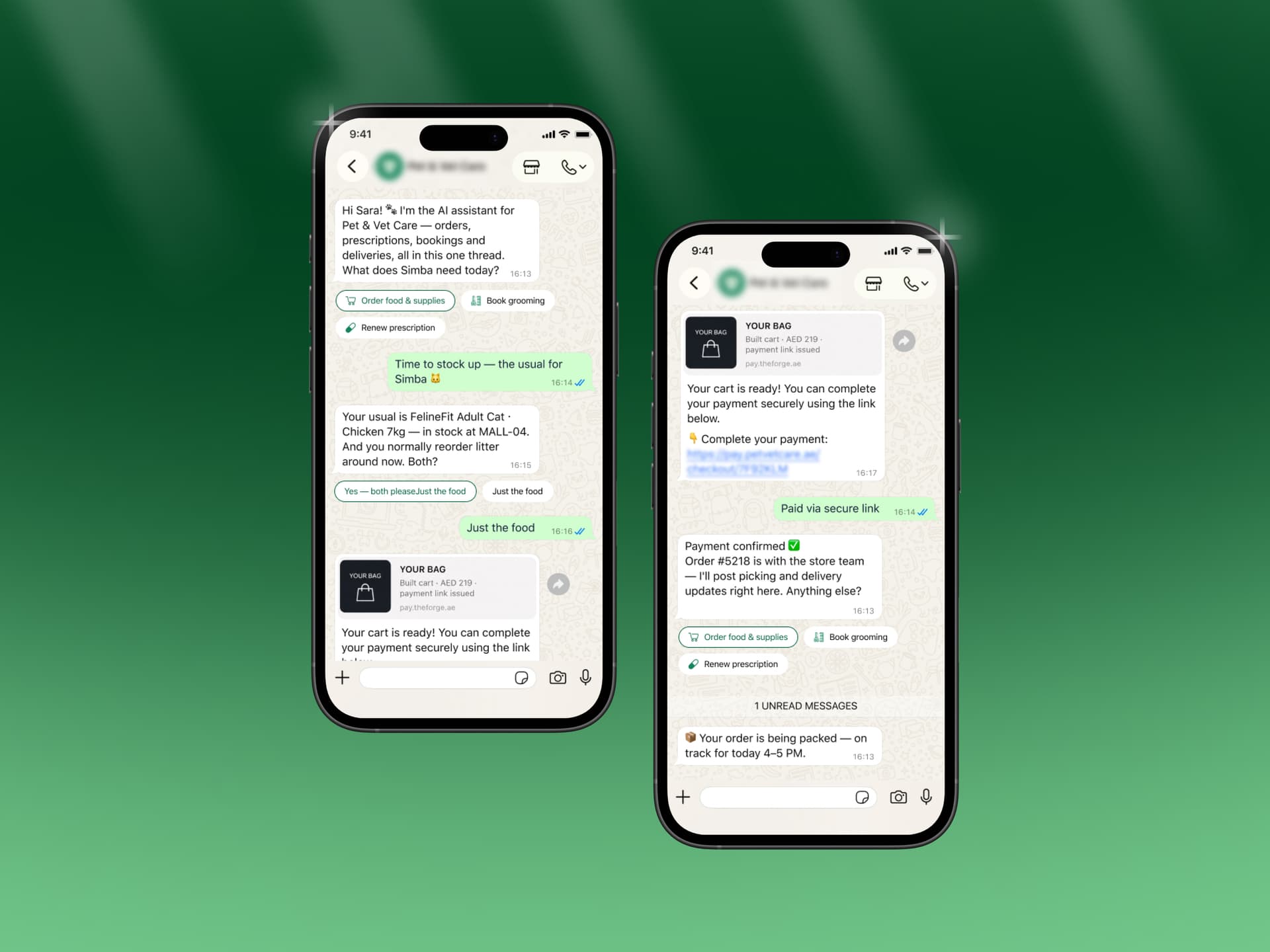
Enterprise WhatsApp Commerce for GCC Retail
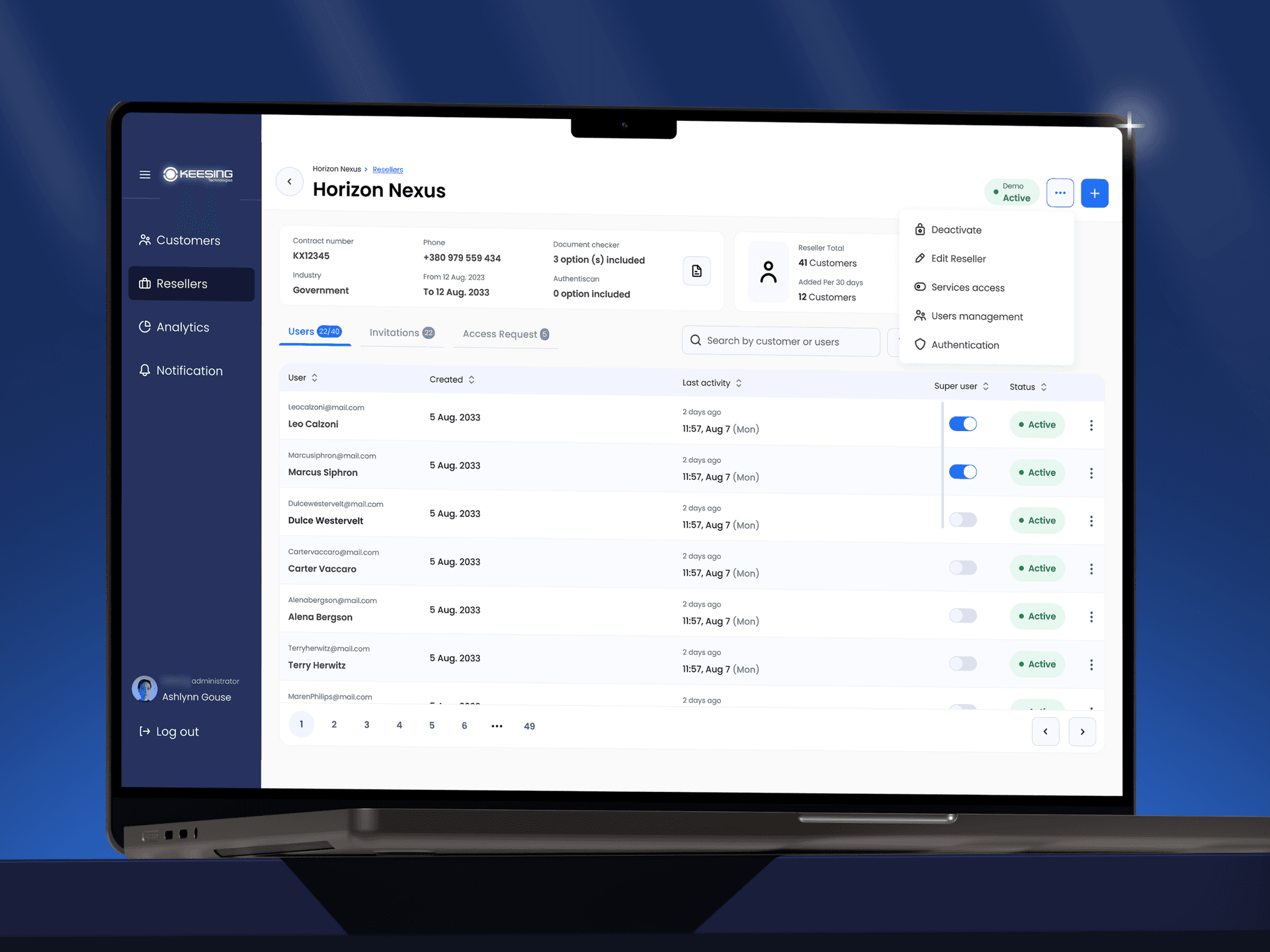
How We Rebuilt an Identity Verification Platform
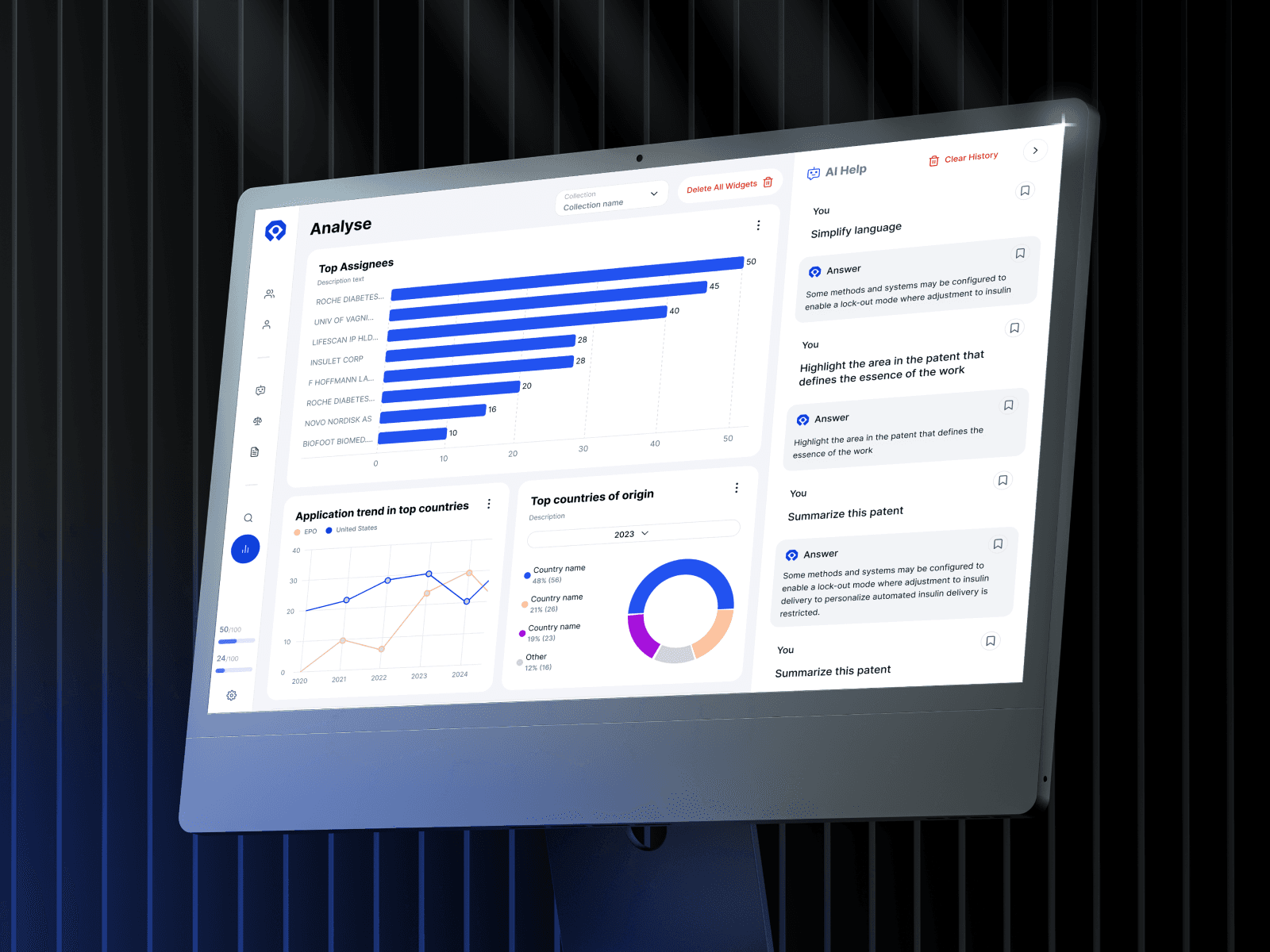
AI-Powered Patent Analysis in Minutes, Not Months
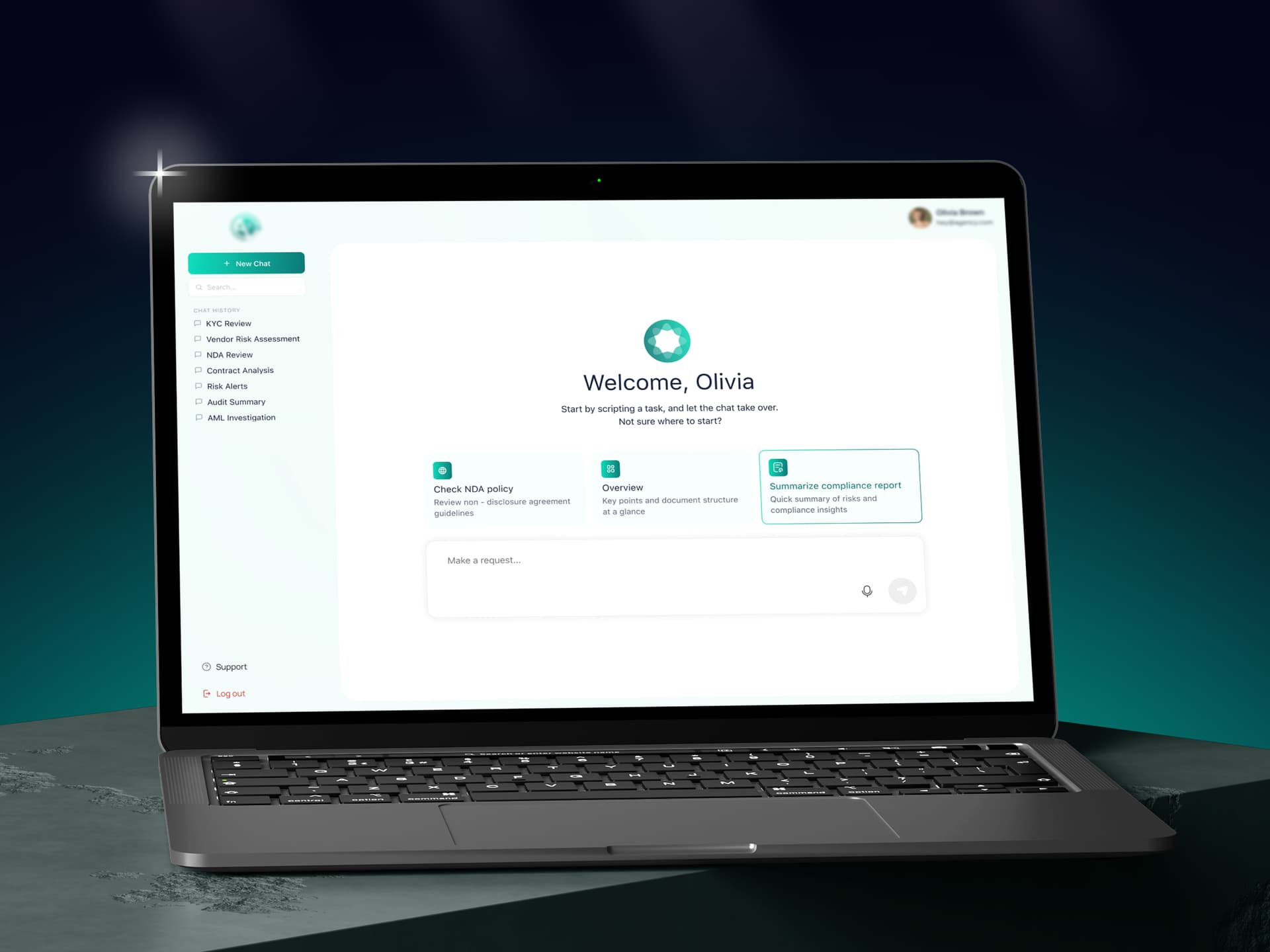
Legal AI Assistant for a Regional Fintech Institution
Clients choose Lumitech when technical depth, business understanding, and delivery accountability matter.
Our partners
Quality of Our Custom Software Company Is Proven by Our Partners
Our partners include companies from the Inc. 5000 and Europe's 1000 Fastest-Growing Companies
Our partners include companies from the Inc. 5000 and Europe's 1000 Fastest-Growing Companies
Why Lumitech for AI Assessment Services
We build business solutions, not just software — which is why the assessment is run by the people who would be accountable for the build. Our AI readiness assessment consulting sits inside an engineering practice rather than beside one.


Business Outcomes Set the Scope
We define what the initiative has to improve, reduce, accelerate, or unlock before deciding what technology belongs in the solution.
Senior Engineers Assess Future Build
Findings are grounded in architecture, data, integrations, failure modes, deployment, and operating reality — not separated from delivery.
The Recommendation Can Survive Production
Security, maintainability, monitoring, model behavior, infrastructure, and cost are weighed early enough to influence the decision itself.
No Incentive to Force the Biggest Build
The recommendation can be a prototype, a focused implementation, remediation work, an existing product — or no custom AI build at all.
Industrial, fintech, and legal tech clients bring us their most constrained problems, and that is where our enterprise AI readiness assessment practice was built — under real compliance, integration, and uptime pressure.


Related Services
AI Prototype Development
Validate the riskiest technical and product assumptions before committing to a full build.
AI MVP Development
Turn a validated concept into a usable first product with real data, workflows, and integrations.
AI & ML Development
Build production AI and machine-learning capabilities around your business systems and requirements.

Good to know
What does an AI readiness assessment include?
What is the difference between an AI readiness assessment and an AI audit?
How long does an AI readiness assessment take?
What deliverables do you get from an AI readiness assessment?
Can you assess an existing AI prototype or production system?
Ready to bring your idea into reality?
- 1. We'll sign an NDA if required, carefully analyze your request and prepare a preliminary estimate.
- 2. We'll meet virtually or in Dubai to discuss your needs, answer questions, and align on next steps.
- Careers → careers@lumitech.coPartnerships → partners@lumitech.co
Prefer a direct line to our CEO?


Prefer a direct line to our CEO?